Finding a truly great bottle of Pinot Noir feels like uncovering a small treasure. This grape reacts to everything around it — soil, sun, rainfall, even the hands that pick it. That sensitivity is exactly why the gap between an average bottle and a premium one is so wide.
- 1. Choose Wines From Cool Climate Regions
- 2. Check the Color and Clarity in the Glass
- 3. Look Into the Producer’s Reputation and History
- 4. Look for Signs of Thoughtful Oak Aging
- 5. Prioritize Wines Made From Old Vines
- 6. Pay Attention to the Vintage
- 7. Evaluate the Aroma’s Complexity
- Final Thoughts on Choosing a Premium Pinot Noir
If you have ever stood in a wine aisle feeling unsure which bottle to grab, you are not alone. Pinot Noir carries a reputation for being tricky to shop for, mostly because quality varies so much between producers and regions. This guide breaks down seven practical, no-nonsense tips that will help you pick a standout bottle every time, whether you are shopping in a store or scrolling through an online wine shop.
1. Choose Wines From Cool Climate Regions
Pinot Noir grapes need a slow, steady ripening process to develop real character. Cool climate regions give them exactly that. Misty mornings, mild afternoons, and a longer growing season all help the fruit hold onto its natural acidity while building layered, complex flavors.
Regions like Burgundy in France, the Willamette Valley in Oregon, and parts of Tasmania and the Yarra Valley in Australia are known for producing outstanding cool climate Pinot Noir. Grapes grown in these areas ripen gradually, which keeps sugar levels balanced and prevents the wine from tasting flat or overly jammy.
Grapes grown in hot climates ripen too fast. The result is a wine loaded with sugar but missing the acidity and structure that make Pinot Noir special. When you check a label, look for the growing region first. It tells you more about what is in the bottle than almost any other detail.
2. Check the Color and Clarity in the Glass
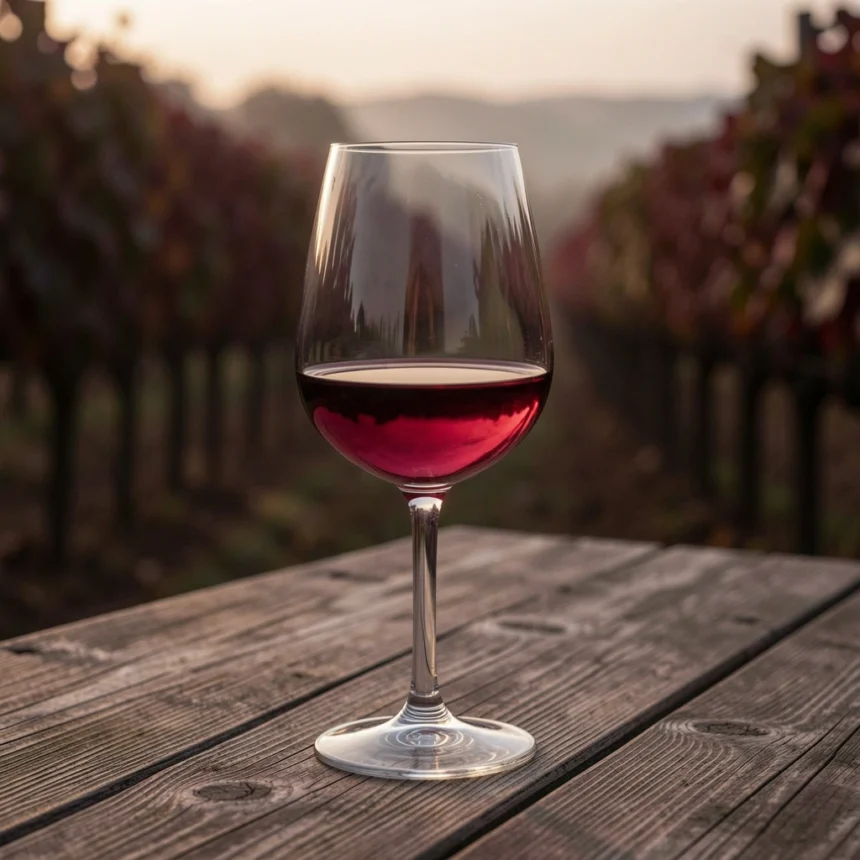
Pour the wine into a glass and hold it up to the light. A premium Pinot Noir should show a lighter ruby or garnet color, not the deep, opaque purple you see in wines like Cabernet Sauvignon or Malbec.
Light should pass through the wine easily. That brightness usually points to careful winemaking and high-quality fruit. If a Pinot Noir looks unusually dark or cloudy, it may have been blended with a heavier grape variety or pushed through an overly aggressive extraction process. Either move can strip away the subtle qualities that make Pinot Noir worth seeking out in the first place.
Color alone will not tell you everything, but it gives you a fast, reliable clue before you even take a sip.
3. Look Into the Producer’s Reputation and History
Some of the best Pinot Noir producers spend decades learning the quirks of a single plot of land. They understand how their soil drains, how their vines respond to a wet spring, and which rows ripen first. That kind of knowledge cannot be rushed.
Before you buy, spend five minutes researching the winery. Small-batch producers often put more attention into each stage of fermentation, from hand-sorting grapes to monitoring temperature during the aging process. Wineries that prioritize quality over volume tend to stick with traditional, hands-on methods that protect the fruit’s natural character.
A quick search for reviews, awards, or the winemaker’s background can reveal a lot. Producers with a strong track record rarely produce a disappointing bottle.
4. Look for Signs of Thoughtful Oak Aging
Pinot Noir is loved for its bright, fruit-forward character, but oak aging plays a bigger role than most people realize. Quality oak barrels add spice, vanilla, and soft tannins that give the wine more depth and structure.
Check the label or product description for mentions of French oak or extended aging periods. These details usually signal a winemaker who took the time to let the wine develop properly rather than rushing it to market. Good oak aging should support the fruit, not overpower it. If a wine tastes more like a wooden barrel than a grape, the balance is off.
Wines with well-managed oak aging also tend to hold up better over time, making them a smart pick if you plan to store a bottle for a few years.
5. Prioritize Wines Made From Old Vines
Old vines produce fewer grapes, but the fruit they do produce is far more concentrated. Over decades, a vine’s root system grows deeper into the soil, pulling in minerals and moisture that younger vines simply cannot reach.
This deep root structure also makes old vines more resilient during difficult growing seasons. They handle drought, heat spikes, and inconsistent rainfall better than young vines, which leads to a more balanced harvest year after year.
Many premium producers list “old vine” directly on the label because it signals a wine with more concentration and complexity. If you see this phrase, take it as a strong indicator of quality.
6. Pay Attention to the Vintage
Because Pinot Noir reacts so strongly to weather, the specific year matters more for this grape than for many others. A growing season with steady, mild conditions produces a more refined wine. A season plagued by heatwaves, early frost, or heavy rain during harvest often results in a less balanced bottle.
Before buying an expensive bottle, take a minute to check a vintage chart for the region you are interested in. These charts rate each year based on weather conditions and overall wine quality. A strong vintage from a well-known region is one of the safest bets you can make when shopping for a premium bottle.
This step matters even more if you are buying wine as a gift or for a special occasion, since vintage quality directly affects how the wine will taste and age.
7. Evaluate the Aroma’s Complexity
Swirl the glass and take a slow sniff. A well-made Pinot Noir should offer more than one layer of scent. Expect to notice red fruit first, things like cherry, raspberry, or cranberry, followed by deeper notes such as forest floor, dried herbs, or a hint of earthiness.
Lower-quality wines tend to smell one-dimensional. You might pick up simple fruit and not much else, or a harsh alcohol smell that overwhelms any subtle aromas. A premium bottle keeps revealing new scents the longer it sits in the glass, which is part of what makes Pinot Noir such an engaging wine to drink slowly.
Take your time with this step. Aroma tells you a lot about what to expect before the wine even touches your tongue.
Final Thoughts on Choosing a Premium Pinot Noir
Picking a great bottle of Pinot Noir comes down to knowing what to look for and taking a few extra minutes to check the details. Start with the growing region, check the color in the glass, and look into the producer’s background. Then pay attention to oak aging, vine age, vintage quality, and aroma.
None of these steps require expert-level wine knowledge. They just require a bit of attention. The next time you are shopping for a bottle, use this checklist to guide your decision. You will walk away with a wine that reflects real care from vineyard to glass, and one that is far more likely to impress at your next dinner or gathering.