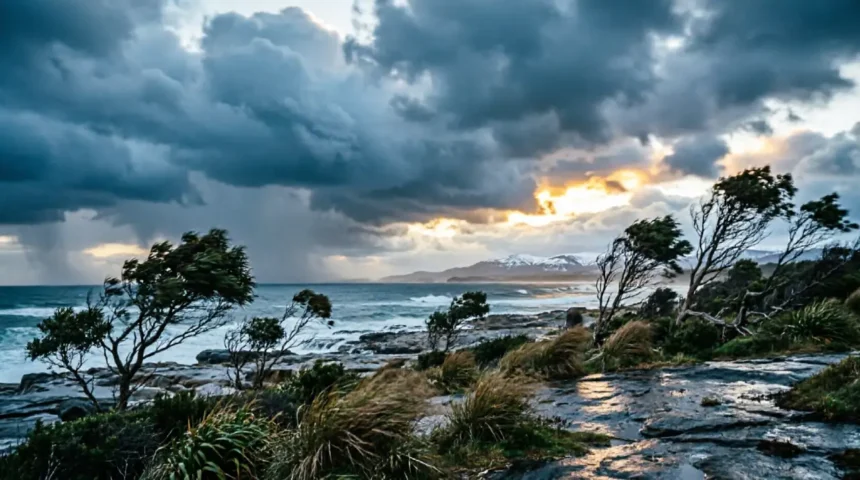
Australia’s latest polar blast weather warning has triggered multiple Bureau of Meteorology (BOM) alerts across New South Wales (NSW), bringing damaging winds, alpine snow, freezing temperatures, and rapidly changing conditions. If you’re wondering whether your area is affected, what the warnings actually mean, or how long the cold outbreak could last, this guide explains everything you need to know in simple terms.
- What Is a Polar Blast, and Why Is NSW Getting Hit So Often?
- Is There a Weather Warning for NSW Today?
- How Do You Actually Check a Live Warning for Your Area?
- Will It Snow in Sydney, Canberra, or the Blue Mountains?
- What Should You Actually Do During a Polar Blast Warning?
- How Is a Polar Blast Different From a Normal Winter Cold Snap?
- Frequently Asked Questions
Not every warning applies to every NSW district, and conditions can change within hours as successive cold fronts move across southeastern Australia. Below, you’ll find the latest information on affected regions, expected weather impacts, official warning sources, and practical safety advice to help you stay prepared.
What Is a Polar Blast, and Why Is NSW Getting Hit So Often?
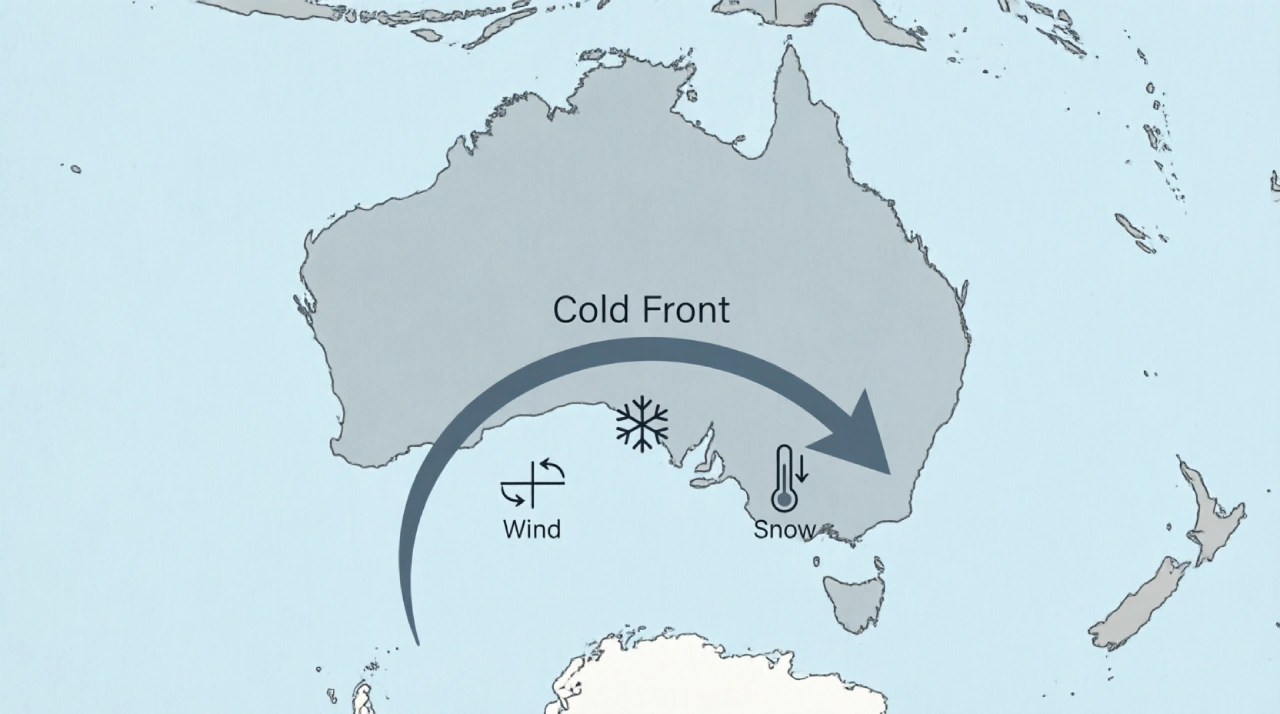
A polar blast happens when a pool of extremely cold air breaks away from the Antarctic region and gets dragged north by a strong cold front. It’s not one single storm — it’s a mass of frigid air riding in on the back of a low-pressure system, which is why the wind and temperature drop usually arrive together rather than one after the other.
Here’s the part most explainers skip: NSW hasn’t been hit by one long polar blast this season. It’s been hit by several separate cold fronts arriving in quick succession, each one triggering its own severe weather warning. That’s why you might see a warning get issued, then cancelled a few hours later for one district, while a fresh one pops up for the district next door. It’s not the Bureau being inconsistent — it’s genuinely multiple weather systems moving through in the same week.
Is There a Weather Warning for NSW Today?
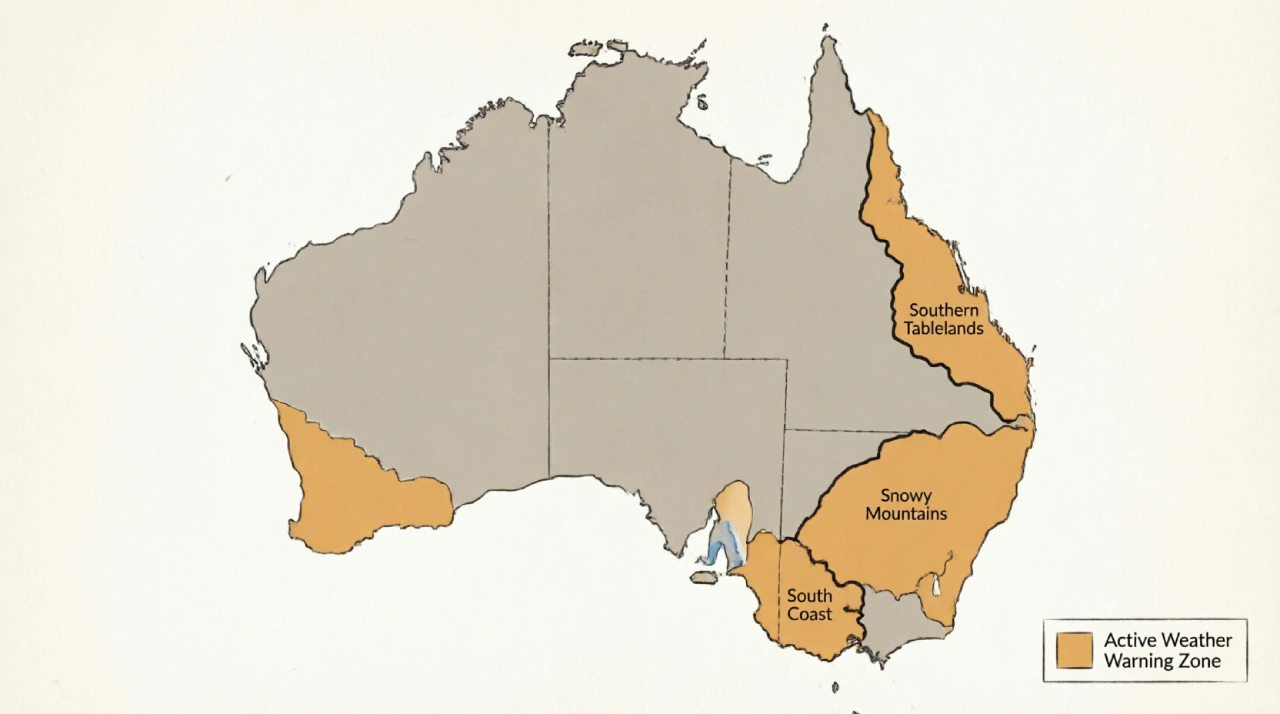
Yes — and the details matter more than the headline. Recent Bureau of Meteorology bulletins for NSW have centered on damaging winds following the passage of a cold front, with warnings covering the South Coast Ranges down to Nowra, along with the Southern Tablelands, Snowy Mountains, and parts of the ACT and South West Slopes.
To put real numbers on it: sustained westerly winds averaging 50–60 km/h have been forecast, with damaging gusts up to 90 km/h in exposed areas. In the alpine zone, conditions have been far more extreme — a wind gust of 104 km/h was recorded at Cabramurra, and Thredbo Top Station recorded gusts up to 130 km/h with sustained winds around 83 km/h. If you’re heading into the Snowy Mountains for a ski trip, that’s not a “check the weather” situation — that’s a “check the actual warning bulletin before you drive” situation.
One important nuance: warnings get cancelled for specific districts once the danger passes, even while the broader event is still active elsewhere. So a warning being lifted for the South West Slopes doesn’t mean the whole system has moved on — it just means that particular district is now clear.
How Do You Actually Check a Live Warning for Your Area?
Here’s where a lot of guides drop the ball — they tell you “check the Bureau of Meteorology” without explaining how the warning system is structured. NSW and ACT residents have a few reliable, official channels:
- BOM’s Warnings and Alerts page — lists every current severe weather, flood, and marine warning by state, updated as bulletins are issued.
- Hazards Near Me NSW app — pushes location-based alerts so you’re not scrolling through warnings for districts you don’t live in.
- ACT Emergency Services Agency (ESA) website — the go-to for Canberra and surrounding areas specifically.
- NSW SES on 132 500 — for storm and flood emergency assistance, not general inquiries.
A detail worth knowing: the Bureau typically commits to a next-update time in every bulletin (for example, “the next Severe Weather Warning will be issued by 5:00 pm”). That timestamp is genuinely useful — it tells you exactly when to check back instead of refreshing the page every ten minutes.
Will It Snow in Sydney, Canberra, or the Blue Mountains?
Short answer: it depends heavily on altitude, and Sydney itself is usually the least likely spot to see anything stick.
During recent cold snaps this season, snow has reached the Snowy Mountains and alpine areas in meaningful amounts, while Canberra and the Southern Tablelands have seen conditions cold enough for light snow at higher elevations. The Blue Mountains and areas around Wollongong have occasionally picked up snow flurries, but central Sydney rarely gets more than a sharp temperature drop, heavy rain, and strong winds.
If you’re chasing snow specifically, the higher-altitude spots — Thredbo, Perisher, and the alpine parts of the Snowy Mountains — are consistently the most reliable bet, while lower-lying coastal cities mostly just get cold and windy rather than white.
What Should You Actually Do During a Polar Blast Warning?
This is where the practical value comes in. If your region falls inside a current warning zone, here’s what genuinely matters:
- Check which specific district the warning covers — not just “NSW.” Warnings are issued by district (e.g., South Coast, Snowy Mountains, ACT), and conditions vary enormously between them.
- Delay non-essential travel through alpine or exposed coastal routes, especially if damaging wind gusts are forecast — gusts above 90 km/h can bring down tree branches and power lines.
- Secure loose outdoor items — furniture, trampolines, and garden equipment are the most common cause of storm damage claims during these events.
- Know your power provider’s fault line — Ausgrid, Endeavour Energy, Essential Energy, or Evoenergy, depending on your area — so you’re not searching for the number mid-outage.
- Stay at least 8 metres from any fallen power line, even ones that look dead. Report them immediately rather than approaching.
- Check on elderly neighbours or relatives, particularly anyone without reliable heating, since cold-related health risks climb fast during multi-day cold snaps.
Below is a quick reference for how the main hazard types during a polar blast compare, so you know what to prioritize based on where you live.
| Hazard | Typical Risk Area | What to Watch For | Immediate Action |
|---|---|---|---|
| Damaging wind gusts | South Coast, Southern Tablelands, exposed ridgelines | Gusts 90+ km/h | Secure loose items, avoid driving near trees |
| Alpine snow & ice | Snowy Mountains, Thredbo, Perisher | Rapid accumulation, black ice | Check road conditions before driving |
| Flooding | Low-lying coastal & river districts | Heavy rain following the front | Monitor BOM flood warnings separately |
| Power outages | Anywhere with overhead lines | Downed trees/branches | Have a charged phone and backup light source |
| Cold exposure | Everywhere, especially rural properties | Prolonged sub-zero overnight temps | Check on vulnerable household members |
How Is a Polar Blast Different From a Normal Winter Cold Snap?
Every winter brings cold fronts through southeastern Australia — that’s normal. What makes a polar blast distinct is the source of the air mass. A regular cold front might pull in cooler air from the Southern Ocean generally, while a polar blast specifically drags air that originated near Antarctica, often linked to a temporary weakening of the polar vortex.
In practice, that means polar blasts tend to bring a sharper, faster temperature drop and a higher chance of snow reaching lower altitudes than you’d expect for the time of year. It’s the difference between “put on a jumper” and “the Bureau is issuing back-to-back severe weather warnings across four districts in the same week.”
Frequently Asked Questions
What is a polar blast in Australia? It’s a mass of extremely cold air that breaks away from the Antarctic region and moves north into Australia on a strong cold front, causing rapid temperature drops, strong winds, and alpine snow.
Is there a weather warning for NSW today? Warnings change frequently as fronts move through. Check BOM’s Warnings and Alerts page or the Hazards Near Me NSW app for the district-specific bulletin currently in effect, rather than relying on a headline.
How long does a polar blast usually last? Individual cold fronts typically move through within one to three days, though NSW has experienced several fronts arriving close together this season, which can make the cold weather feel like one continuous event lasting over a week.
Will it snow in Sydney? Rarely, and usually only as flurries in higher elevations like the Blue Mountains. The Snowy Mountains and Canberra region are far more likely to see accumulating snow.
What should I do if I lose power during the cold snap? Report the outage to your local network provider (Ausgrid, Endeavour Energy, Essential Energy, or Evoenergy), stay well clear of any fallen lines, and use a backup light source rather than candles near flammable materials.
Is it safe to drive through the Snowy Mountains right now? Only after checking the current road and weather conditions directly — gusts above 100 km/h and icy roads have been recorded in this area during recent fronts, and conditions can change within hours.
Why do warnings get cancelled for one district but stay active in another? Because a polar blast usually moves through as a series of fronts affecting different districts at different times. A cancellation for one area simply means that district’s immediate danger has passed — not that the wider event is over.
Where can I check live updates? The Bureau of Meteorology’s Warnings and Alerts page, the Hazards Near Me NSW app, and (for Canberra) the ACT Emergency Services Agency website are the most reliable official sources.