When stress hits hard—whether it’s before a big meeting, during peak hour traffic in Sydney, or while juggling work and family—your breath can be your fastest ally. Fast breathing stress relief techniques can calm your nervous system in as little as 60 seconds, but not all methods work at the same speed. If you’ve ever felt your heart racing or your mind spiralling during a stressful moment, you’re not alone. Millions of Australians experience stress daily, and many are searching for quick, natural ways to regain control.
- Why Breathing Techniques Work So Quickly for Stress Relief
- The 5 Fastest Breathing Techniques for Stress Relief
- 1. Physiological Sigh (Instant to 60 Seconds)
- 2. 4-7-8 Breathing (60 to 90 Seconds to Effect)
- 3. Box Breathing (90 to 120 Seconds to Effect)
- 4. Tactical Breathing (60 Seconds to Effect)
- 5. Diaphragmatic (Belly) Breathing (2 to 3 Minutes to Full Effect)
- Which Technique Should You Choose?
- How to Practice Fast Breathing Stress Relief Effectively
- The Science-Backed Benefits Beyond Immediate Stress Relief
- When to Seek Professional Help
- Conclusion
The good news? Your breath is always with you, and certain breathing techniques can deliver almost instant relief. This guide compares the most effective breathing techniques for rapid stress relief, backed by science, so you know exactly which one to reach for when you need instant calm.
Why Breathing Techniques Work So Quickly for Stress Relief
Understanding why fast breathing stress relief works helps you trust the process and use it more effectively. When stress strikes, your body triggers the “fight-or-flight” response, releasing cortisol and adrenaline while increasing your heart rate and blood pressure. Controlled breathing activates your parasympathetic nervous system—the body’s natural “rest-and-digest” mode. This sends signals to your brain that you’re safe, which slows your heart rate, lowers blood pressure, and reduces stress hormones within seconds.
The Stress Response and Your Nervous System
Your nervous system has two modes: sympathetic (fight-or-flight) and parasympathetic (rest-and-digest). When you’re stressed, shallow chest breathing keeps you stuck in fight-or-flight mode. Deep, controlled breathing switches you to the calming parasympathetic state. Think of it like switching gears in your car. Stress puts you in high gear, burning fuel quickly. Breathing exercises shift you into a lower, more efficient gear where your body can relax and recover.
How Fast Can Breathing Really Calm You Down?
Research shows that breathing exercises can reduce your heart rate within 30 to 90 seconds. According to Beyond Blue, stress affects millions of Australians each year, but most don’t realise how quickly breathing can help. The speed depends on the technique you choose. Some methods work almost instantly, while others take a few minutes to deliver full results. The key is matching the right technique to your situation.
The 5 Fastest Breathing Techniques for Stress Relief
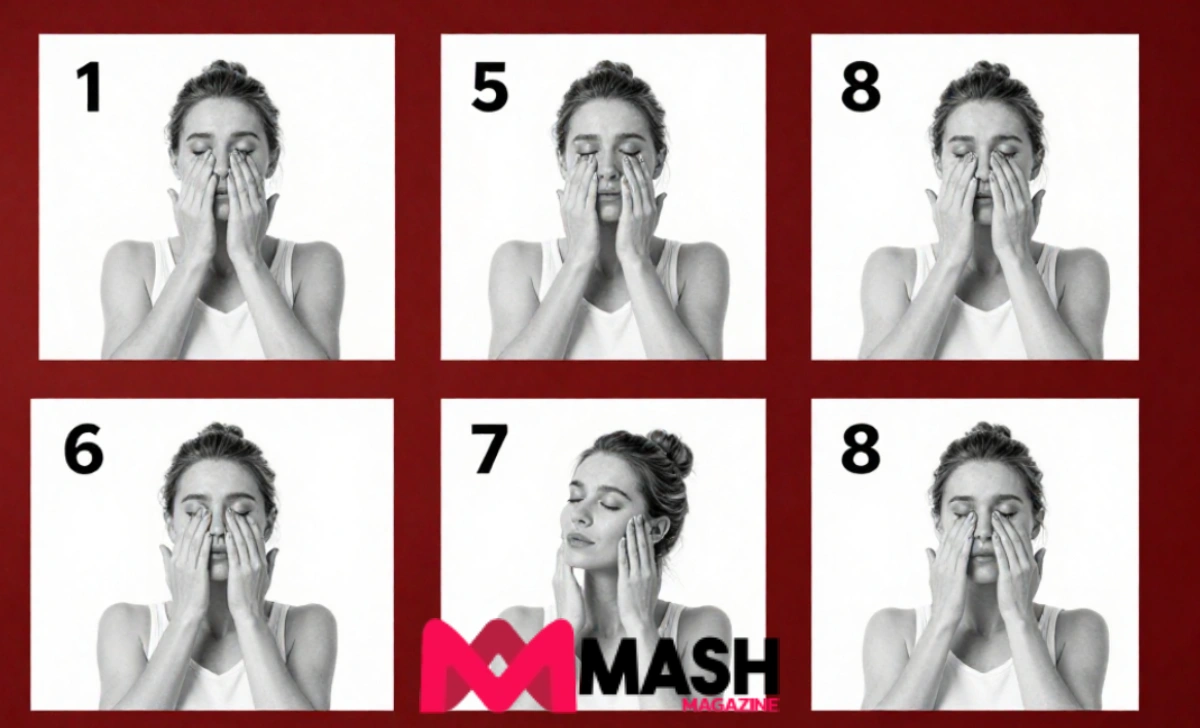
Not all breathing techniques deliver fast breathing stress relief at the same speed. Here are the top five methods, ranked by how quickly they work, complete with step-by-step instructions.
1. Physiological Sigh (Instant to 60 Seconds)
The physiological sigh is your go-to technique when stress spikes suddenly. Developed from research by Stanford neuroscientist Dr Andrew Huberman, this method works in seconds and is the fastest option for immediate relief. To do it, take two quick, sharp inhales through your nose—the second inhale re-inflates collapsed air sacs in your lungs. Follow immediately with one long, slow exhale through your mouth, then repeat one to three times as needed.
This pattern rapidly offloads carbon dioxide and calms your nervous system almost instantly. It’s the body’s natural stress-reset mechanism, making it perfect for acute stress spikes, panic moments, or when you’re cut off in traffic. Next time you receive unexpected bad news or feel panic rising, try one physiological sigh. You’ll notice your shoulders drop and your mind clear within seconds.
2. 4-7-8 Breathing (60 to 90 Seconds to Effect)
The 4-7-8 technique, popularised by Dr Andrew Weil, is simple yet powerful and perfect for pre-sleep anxiety and general stress. The extended exhale triggers your vagal nerve, which signals your body to relax. To practice this method, inhale quietly through your nose for four counts, hold your breath for seven counts, then exhale completely through your mouth for eight counts. Repeat the cycle three to four times for best results.
The long exhale activates your parasympathetic nervous system more effectively than quick breathing patterns, making it ideal for winding down after work, calming pre-sleep anxiety, or managing general stress. For Australians, try using this during your evening commute home or before bed to signal your body it’s time to relax and unwind from the day’s pressures.
3. Box Breathing (90 to 120 Seconds to Effect)
Box breathing, also called square breathing, creates a rhythmic pattern that helps you regain mental focus. It’s used by Navy SEALs, athletes, and professionals worldwide, making it ideal for work stress and performance anxiety. To practice box breathing, inhale through your nose for four counts, hold your breath for four counts, exhale through your mouth for four counts, then hold empty for four counts. Repeat this cycle for two to three minutes.
The equal counts create mental focus and rhythm, interrupting racing thoughts while calming your body. This makes it perfect for work stress, before presentations, or during difficult conversations. Before your next important meeting or presentation, find a quiet space and practice box breathing for two minutes. You’ll walk in feeling centred, confident, and ready to perform at your best.
4. Tactical Breathing (60 Seconds to Effect)
Similar to box breathing but with a simpler four-four-four-four rhythm, tactical breathing is used by military personnel and first responders in crises. It’s great for high-pressure decision-making when you need to stay calm and think clearly. To practice, breathe in for four counts, hold for four counts, breathe out for four counts, then hold for four counts. The structured pattern forces mental focus, preventing panic while calming your physiological stress response.
This technique is best suited for high-pressure situations where you need to think clearly and act quickly, such as before making a tough decision or managing a workplace crisis. The simplicity of the equal four-count rhythm makes it easy to remember even when you’re under extreme pressure, which is why it’s favoured by professionals in demanding roles.
5. Diaphragmatic (Belly) Breathing (2 to 3 Minutes to Full Effect)
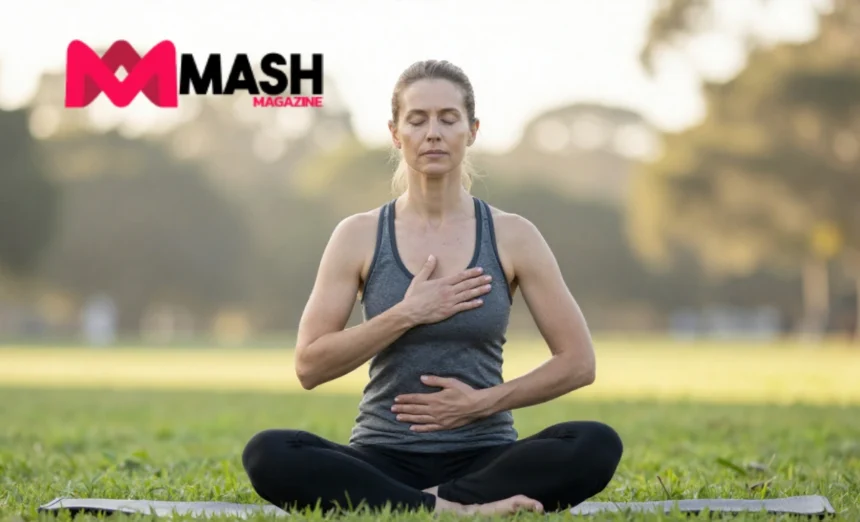
While belly breathing takes longer to work than other fast breathing stress relief methods, it’s excellent for deep, lasting relaxation. To practice diaphragmatic breathing, place one hand on your chest and the other on your belly. Breathe in slowly through your nose, filling your belly so your bottom hand rises more than your top hand. Exhale slowly through your mouth, feeling your belly fall, then continue for five to ten breaths.
Diaphragmatic breathing engages your full lung capacity and promotes deeper relaxation over time, making it best for after-work wind-down, meditation practice, or building a daily relaxation habit. This technique is most effective as a daily practice rather than an emergency stress tool, helping you build a foundation of calm that makes handling stressful moments easier throughout your day.
Which Technique Should You Choose?
Choosing the right fast breathing stress relief technique depends on your situation and how quickly you need results. Understanding which method works best for different scenarios helps you respond effectively when stress strikes.
By Speed of Effect
If you need instant relief within the first sixty seconds, the physiological sigh is your fastest option. For very fast relief within sixty to one hundred twenty seconds, try 4-7-8 breathing, box breathing, or tactical breathing. If you have two to three minutes and want sustained, deeper relief, diaphragmatic breathing is your best choice. The faster techniques work well for acute stress, while slower methods provide more lasting calm.
By Situation
Different stressful situations call for different breathing techniques. For acute panic or sudden stress, reach for the physiological sigh immediately. When dealing with work stress or performance anxiety, box breathing or tactical breathing will help you regain focus and composure. If you’re struggling with pre-sleep anxiety, the 4-7-8 breathing technique is most effective. For daily relaxation practice and building long-term resilience, diaphragmatic breathing should be your go-to method.
Start by mastering one technique when you’re calm. Practice daily for a week so it becomes second nature. Then, when stress hits, your body will respond automatically, and you’ll feel the benefits much more quickly.
How to Practice Fast Breathing Stress Relief Effectively
Knowing the techniques is one thing—using them effectively is another. Here’s how to get the best results from your breathing practice and avoid common mistakes that slow your progress.
Tips for Beginners
Start with shorter breath counts if holding your breath feels uncomfortable. There’s no need to force it—your lung capacity will improve with practice, so be patient with yourself. Practice when you’re calm first, then apply the technique during stressful moments. This builds muscle memory so your body recognises the pattern when you need it most. Set phone reminders for daily practice because just two minutes a day can make a significant difference in how you handle stress.
Australian resources like Smiling Mind, which was developed in Melbourne, offer free guided breathing exercises perfect for beginners. These apps can help you build a consistent practice and provide gentle reminders to take breathing breaks throughout your busy day.
Common Mistakes That Slow Results
Breathing too shallowly in your chest instead of your belly limits the calming effect, so always focus on deep belly breaths that engage your diaphragm. Rushing through the counts defeats the purpose because slow, controlled breathing is what triggers your relaxation response. Expecting perfection immediately creates more stress, so give yourself grace—breathing techniques improve with practice and patience.
Not exhaling fully leaves stale air and carbon dioxide in your lungs, which reduces the effectiveness of the technique. Make sure you empty your lungs with each exhale to maximise the stress-relieving benefits. Taking your time and doing it properly will give you much better results than rushing through the motions.
The Science-Backed Benefits Beyond Immediate Stress Relief
Regular practice of fast breathing stress relief techniques offers lasting benefits beyond the immediate calm you feel in stressful moments. Studies show consistent breathing practice can reduce blood pressure over time, helping protect your cardiovascular health. Evening breathing routines help you fall asleep faster and sleep more deeply, giving your body the rest it needs to recover. You’ll also develop better emotional regulation, meaning you’ll respond to stressful situations more calmly instead of reacting impulsively.
Reduced stress means clearer thinking at work, enhancing your focus and productivity throughout the day. Breathing exercises complement mental health treatments recommended by organisations like Headspace and Beyond Blue, making them valuable tools in your overall wellness toolkit. A 2023 study found that regular breathing practice can reduce workplace stress by up to 30%, making it a valuable tool for busy Australians juggling multiple responsibilities.
When to Seek Professional Help
While fast breathing stress relief techniques are powerful, they’re not a replacement for professional care when you need it. If you’re experiencing persistent anxiety, panic attacks, or stress that interferes with daily life, it’s important to seek help from qualified professionals. Breathing techniques work best when used alongside professional support, not instead of it.
Australian mental health resources are readily available to support you. Beyond Blue can be reached at 1300 22 4636, Lifeline is available at 13 11 14, and headspace offers services specifically for young Australians. Your GP can provide a Mental Health Care Plan, giving you access to subsidised psychology sessions that can address the root causes of your stress, while breathing techniques help you manage symptoms day-to-day.
Conclusion
Fast breathing stress relief isn’t one-size-fits-all, but now you know exactly which technique to reach for when stress strikes. The physiological sigh offers the fastest relief in under a minute, while 4-7-8 and box breathing provide powerful calm within two minutes. Each technique has its place in your stress-management toolkit, and knowing which to use in different situations gives you real control over your stress response.
Start by practising your chosen technique daily when you’re relaxed—that way, it’ll be second nature when you really need it. Your breath is always with you, ready to be your most accessible stress-relief tool, requiring no equipment, no cost, and no special location. Which technique will you try first during your next stressful moment? Try the physiological sigh technique right now: take two quick inhales through your nose, then a long exhale through your mouth. Notice how you feel—that’s the power of fast breathing stress relief at work.