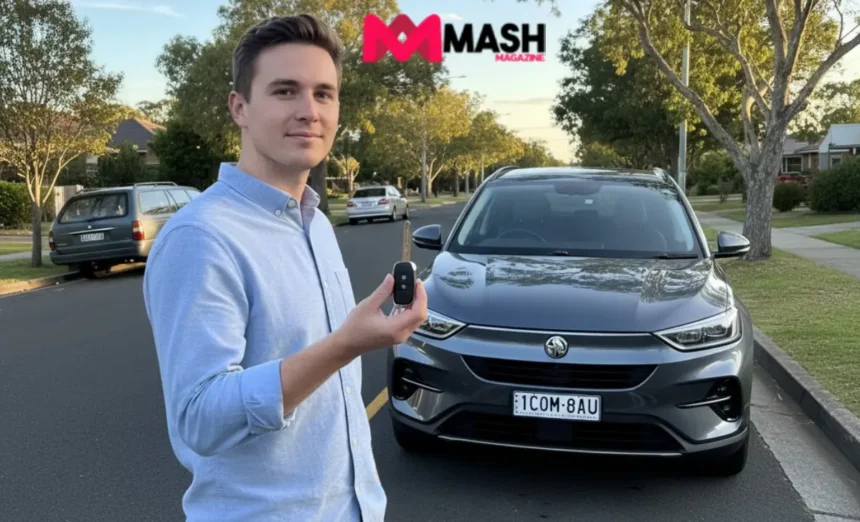
You may be covered under the owner’s car insurance if you have permission and the policy allows occasional drivers. However, you might face a higher excess if you’re unlisted or under 25. Always check the policy details before borrowing.
- How Car Insurance Works in Australia: Who’s Actually Covered
- If You Borrow Someone Else’s Car: Are You Covered?
- What You Should Check Before Driving Someone Else’s Car
- Borrowing Frequently or Becoming the Main Driver: What Then?
- Conclusion
- FAQs
- Does my own car insurance cover me when driving someone else’s car?
- What happens if I cause an accident while driving an uninsured friend’s car?
- Can I drive someone else’s car for business or rideshare work (like Uber)?
- Will my driving record affect the owner’s insurance premium?
- What should I do if I have an accident while borrowing a car?
You’ve been asked to drive a mate’s car to the airport. Or maybe you’re borrowing your parents’ vehicle for the weekend. Before you turn the key, you need to know: are you actually covered by their insurance?
In Australia, car insurance doesn’t always extend to whoever’s behind the wheel. The rules depend on the policy, who’s listed as a driver, and whether you’re borrowing occasionally or regularly.
This guide explains how car insurance works when you drive someone else’s vehicle. You’ll learn what most policies cover, what excess you might face, and what to check before you get on the road. By the end, you’ll know exactly how to protect yourself when driving someone else’s car in Australia.
How Car Insurance Works in Australia: Who’s Actually Covered
Car insurance in Australia is tied to the vehicle, not the driver. The owner buys the policy and nommates who can drive. This system differs from some countries where insurance follows the driver instead.
Every registered vehicle must have Compulsory Third Party (CTP) insurance. This covers injury to other people if you cause an accident. It’s included in your registration fee. But CTP doesn’t cover damage to vehicles or property — that requires separate cover like comprehensive or third party insurance.
Most insurers assess risk based on who drives the car regularly. When you take out a policy, you list the main driver and any additional drivers. This information affects your premium. Young drivers, inexperienced licence holders, or drivers with poor records increase the cost.
Why accurate driver information matters
If you regularly drive someone else’s car but aren’t listed, the insurer might refuse a claim. They priced the policy based on specific drivers. Adding an unlisted high-risk driver changes that calculation entirely.
Some people try to save money by listing a lower-risk person as the main driver when someone else actually drives more. This is called “fronting” and can void your entire policy.
If You Borrow Someone Else’s Car: Are You Covered?
The short answer: it depends on the policy terms and how often you drive.
Many car insurance policies in Australia will cover occasional drivers as long as they have the owner’s permission. If you borrow a friend’s car once or twice a year for legitimate reasons, most comprehensive policies extend cover to you.
However, “occasional” is the key word. Insurers define this differently, but generally it means infrequent use where you’re clearly not the regular driver. Taking your parents’ car to work every day wouldn’t count as occasional.

When you might not be covered
Not all policies automatically cover unlisted drivers. Some exclude them entirely unless specifically added. Others impose conditions or higher excess amounts.
You’re more likely to face restrictions if you:
- Drive the car regularly rather than occasionally
- Are under 25 years old
- Hold a provisional or learner’s licence
- Have a history of accidents or traffic offences
Even with permission, the policy might not respond if you don’t meet certain criteria. This leaves you personally liable for damage.
How Australian insurers handle occasional drivers
Different insurers have different rules. Here’s what some major companies do:
- AAMI charges an additional “unlisted driver excess” on top of the standard excess if an inexperienced driver (under 25 with less than two years’ licence experience) drives the car and isn’t listed on the policy.
- Suncorp generally covers both listed and unlisted drivers who have permission. However, if an unlisted driver under 25 causes an accident, you’ll pay a higher excess — sometimes several hundred dollars more.
- Bingle allows occasional drivers with permission but emphasises checking your Product Disclosure Statement (PDS). Some policies exclude unlisted drivers completely or impose age restrictions.
The excess for unlisted drivers can range from $400 to $1,000 or more on top of the base excess. This means a single claim could cost you $1,500 to $2,000 out of pocket.
What You Should Check Before Driving Someone Else’s Car
Don’t assume you’re covered just because the owner says “it’s fine.” Take these steps before you drive:
Ask the owner to confirm:
- Does the policy allow unlisted or occasional drivers?
- What excess applies if an unlisted driver makes a claim?
- Are there age or licence restrictions?
- Is the car’s registration and insurance current?
Request to see the policy document or the insurer’s app if possible. Many insurers now let policyholders check coverage details instantly on their phone.
Get explicit permission
Always have the owner’s clear permission before driving their car. A text message or email creates a record. Some policies require permission from the policyholder, and informal agreements might not hold up if there’s a dispute.
If you’re borrowing from family, don’t assume permission is automatic. Your driving history could affect their insurance, so they deserve to make an informed decision.
Understand who’s considered the main driver
If you drive the car more than the actual owner, insurers may consider you the main driver. This matters because the policy is priced based on the main driver’s risk profile.
Occasional use means the owner still drives the car most of the time. If you use it three days a week and they use it two, you’re probably the main driver — even if it’s legally their car.
Borrowing Frequently or Becoming the Main Driver: What Then?
If you find yourself driving someone else’s car regularly, the insurance situation changes. You need to be properly listed on the policy, or the owner needs to nominate you as the main driver.
Regular use might mean:
- You drive the car more than once or twice a month
- You use it for daily commutes or regular trips
- The owner rarely drives it themselves
When this happens, the owner should contact their insurer to add you as an additional or main driver. This will likely increase the premium, especially if you’re young or have less experience. But it’s the only way to ensure proper cover.

What happens if you don’t update the policy
Failing to declare a regular driver is misrepresentation. If you make a claim, the insurer can:
- Refuse to pay out entirely
- Reduce the payout amount
- Cancel the policy
- Charge significantly higher excess
The owner could also face increased premiums in the future or difficulty getting insurance elsewhere. The consequences affect both of you.
Non-owner car insurance: does it exist in Australia?
In some countries, drivers who don’t own a car can buy non-owner insurance. This covers them when driving borrowed vehicles. In Australia, this type of policy is uncommon for casual drivers.
Most Australian insurers don’t offer standalone non-owner policies for occasional borrowing. Instead, they expect you to be added to the owner’s policy if you drive regularly.
However, some specialty insurers offer short-term or rental car insurance that might work if you frequently borrow different vehicles. These policies are expensive compared to being listed as an additional driver on a standard policy.
Conclusion
When you’re driving someone else’s car in Australia, you might have cover under their insurance — but you can’t assume it. Coverage depends on the policy terms, whether you’re listed, and how often you drive.
Always check with the owner before borrowing their vehicle. Confirm that their policy covers occasional drivers and understand what excess applies. If you’ll be driving regularly, ask the owner to add you to their policy properly.
For any specific situation, contact the insurer directly or review the policy document. A quick conversation now can save you thousands of dollars later.
FAQs
Does my own car insurance cover me when driving someone else’s car?
Usually, no. Your personal car insurance typically only applies to your own vehicle unless it includes a “drive other cars” extension — which is rare in Australia.
What happens if I cause an accident while driving an uninsured friend’s car?
If the car has no valid insurance, you may be personally liable for all damages. You could be responsible for repair costs, injury claims, and legal expenses.
Can I drive someone else’s car for business or rideshare work (like Uber)?
No, not without checking. Most personal car insurance policies exclude business or rideshare use unless specifically added. Driving for commercial purposes may void coverage.
Will my driving record affect the owner’s insurance premium?
Yes. If you’re added as a listed driver and have prior accidents, speeding fines, or a young driver status, it can increase the policy premium for the owner.
What should I do if I have an accident while borrowing a car?
Stay calm, ensure everyone’s safety, and exchange details. Contact both the car owner and their insurer immediately. Never admit fault until the insurer assesses the situation.
Next time you need to borrow a car, take five minutes to check the insurance first. Your wallet will thank you if something goes wrong.