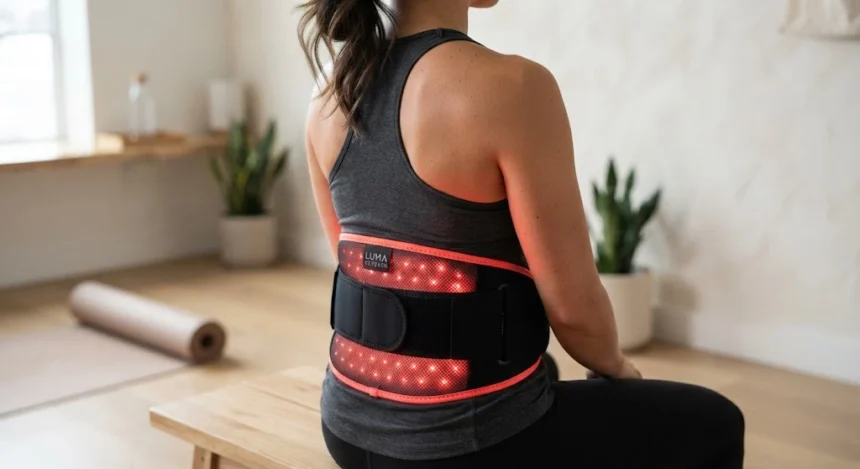
If you’ve ever dealt with sore muscles, a nagging injury, or stiff joints, you know how frustrating recovery can be. That’s why more athletes, physical therapy patients, and everyday people are turning to red light therapy recovery belts. These wearable devices use targeted light to ease pain and speed up healing, without drugs or needles.
- What Is a Red Light Therapy Recovery Belt?
- How Red Light Therapy Works
- Key Benefits of Using a Red Light Therapy Belt
- 5 Must-Have Features in a Red Light Therapy Belt
- 1. Adjustable Intensity and Timer Settings
- 2. Multiple Light Therapy Modes
- 3. Lightweight, Portable Design
- 4. Comfortable, Breathable Material
- 5. FDA-Cleared Technology
- How to Get the Most Out of Your Red Light Therapy Belt
- Choosing the Right Belt for Your Needs
- Final Thoughts
But not all belts are created equal. Some offer real therapeutic value. Others are little more than a glorified heating pad with flashing lights. In this guide, we’ll break down how red light therapy actually works, the benefits you can expect, and the exact features to look for before you buy.
What Is a Red Light Therapy Recovery Belt?
A red light therapy belt is a wearable device that wraps around your body — usually the back, knees, shoulders, or abdomen — and delivers low-level red and near-infrared light directly to your skin. This light penetrates below the surface and interacts with your cells, triggering a range of healing responses.
Unlike heat wraps or ice packs, which only treat symptoms on the surface, red light therapy works at the cellular level. That’s a big part of why it’s gained so much traction among physical therapists, chiropractors, and sports recovery specialists.
How Red Light Therapy Works
Red light therapy uses specific wavelengths of light, typically between 600 and 700 nanometers (nm), along with near-infrared light in the 800–900nm range. These wavelengths are chosen because they penetrate the skin without generating heat or causing damage.
Once absorbed, the light energy reaches the mitochondria — the part of your cells responsible for producing energy. This process, known as photobiomodulation, boosts cellular energy output (ATP production), which in turn:
- Speeds up tissue repair
- Reduces inflammation
- Improves blood circulation
- Supports collagen production for healthier skin
In simple terms: the light “wakes up” your cells and gives them the energy boost they need to heal faster.
Key Benefits of Using a Red Light Therapy Belt
1. Natural Pain Relief
Red light therapy encourages your body to release endorphins, the natural painkillers your body produces on its own. This can bring noticeable relief from muscle soreness, joint pain, and chronic conditions like arthritis — without relying on medication.
2. Faster Healing From Injuries
For sprains, strains, and bruises, red light therapy can shorten recovery time. The light stimulates blood flow to the injured area, which delivers more oxygen and nutrients to damaged tissue and speeds up repair.
3. Reduced Inflammation
Swelling and inflammation are often the root cause of stiffness and limited mobility. Red light therapy has been shown to calm inflammatory responses in the body, helping you move more freely and recover faster between workouts or physical therapy sessions.
4. Better Circulation
Improved blood flow doesn’t just help injuries heal. It also supports overall health by making sure your organs and tissues get the oxygen and nutrients they need to function properly.
5 Must-Have Features in a Red Light Therapy Belt
Not every belt on the market delivers real results. Here’s what actually matters when you’re comparing options.
1. Adjustable Intensity and Timer Settings
Everyone’s body responds differently to light therapy. A quality belt should let you adjust both the intensity and session length. This is especially important if you have sensitive skin or are new to red light therapy — you can start low and build up gradually as your body adjusts.
2. Multiple Light Therapy Modes
The best belts offer more than one wavelength option, such as red light, near-infrared, or combined modes. Different wavelengths target different depths of tissue, so having multiple settings means you can customize treatment based on whether you’re targeting surface-level skin issues or deeper muscle and joint pain.
3. Lightweight, Portable Design
One of the biggest advantages of a therapy belt over a clinic visit is convenience. Look for a compact, lightweight design that’s easy to pack in a gym bag or suitcase. A good belt should fit comfortably around your waist, back, or knee without feeling bulky.
4. Comfortable, Breathable Material
Since you’ll be wearing the belt directly against your skin — often for 10 to 20 minutes at a time — comfort matters. Look for soft, breathable fabric or medical-grade neoprene that won’t irritate your skin, even during longer or more frequent sessions.
5. FDA-Cleared Technology
Always check whether the device is FDA-cleared before buying. This means the product has gone through testing for safety and effectiveness. It’s one of the easiest ways to separate legitimate therapy devices from gimmicks.
How to Get the Most Out of Your Red Light Therapy Belt
Buying the right belt is only half the equation. Here’s how to use it effectively:
- Stay consistent. Red light therapy works best with regular use, not occasional sessions. Follow the manufacturer’s recommended schedule.
- Clean it after every use. This keeps the belt hygienic and extends its lifespan.
- Pair it with other recovery methods. Stretching, massage, and proper hydration can enhance the belt’s effects.
- Talk to a healthcare provider first. If you have an existing medical condition or are pregnant, check with a doctor before starting any new therapy device.
Choosing the Right Belt for Your Needs
Before buying, take time to compare a few options. Read verified customer reviews, check for FDA clearance, and pay attention to the wavelength range the device uses. A slightly higher price tag is often worth it if it means better build quality, more consistent light output, and a longer warranty.
Final Thoughts
Red light therapy recovery belts offer a simple, drug-free way to manage pain, reduce inflammation, and speed up recovery from injury. When you choose a belt with adjustable settings, multiple therapy modes, a comfortable fit, and FDA-cleared technology, you’re setting yourself up for real, lasting results.
Used consistently and combined with healthy recovery habits, a red light therapy belt can become one of the most valuable tools in your wellness routine.
For more health and wellness insights, stay tuned to Mashmagazine.com.au.