
The biggest mistakes include underestimating rebuild costs, not understanding policy exclusions, skipping flood cover, failing to document possessions, and neglecting regular policy reviews. Many Australians also confuse market value with replacement cost and don’t read their Product Disclosure Statement (PDS) carefully.
- Mistake 1: Underestimating Your Rebuild Cost
- Mistake 2: Guessing The Value Of Your Contents
- Mistake 3: Not Understanding Your Policy
- Mistake 4: Skipping Optional Extras
- Mistake 5: Overlooking Individual Claim Limits
- Mistake 6: Ignoring Flood Or Water Damage Cover
- Mistake 7: Not Disclosing All Relevant Information
- Mistake 8: Neglecting Home Maintenance
- Mistake 9: Failing To Keep Proof Of Ownership
- Mistake 10: Not Updating Or Reviewing Your Policy Regularly
- Wrapping It Up
- FAQs
Many Australian homeowners think they’ve got solid home insurance — until disaster strikes.
But common mistakes like underinsuring, ignoring flood cover, or misreading policy details can leave you seriously exposed. A single oversight might mean thousands of dollars out of pocket when you need to make a claim.
In this post, I’ll run through 10 frequent insurance blunders Aussies make with their home cover — and how to fix them. Whether you’re reviewing your policy or setting up cover for the first time, these tips will help you avoid expensive gaps in protection.
Mistake 1: Underestimating Your Rebuild Cost
Your home’s market value and its rebuild cost are two different numbers — and confusing them is one of the most expensive mistakes you can make.
Market value includes your land and location. Rebuild cost only covers what it would take to reconstruct your house from scratch if it burned down or was destroyed in a storm.
Building costs have risen sharply across Australia in recent years. Materials, labour, and supply chain issues mean your rebuild cost might be 20-30% higher than it was five years ago. If your sum insured hasn’t kept up, you’re underinsured.
Check your policy documents now. Look for the sum insured amount under building cover. Then compare it to current rebuild estimates in your area. Real Insurance suggests getting a professional valuation if you’re unsure — especially for older homes or properties with unique features.
How to fix it: Use an online rebuild calculator or speak to your insurer about updating your sum insured. Review this figure every year when your policy renews.
Mistake 2: Guessing The Value Of Your Contents
Most people drastically underestimate what their belongings are worth.
You might think $50,000 sounds like plenty for contents insurance. But when you add up furniture, appliances, clothes, electronics, kitchenware, and everything else room by room, the real figure often hits $80,000 or more.
Small items add up fast. A decent TV costs $2,000. A laptop is $1,500. Quality bedding, towels, and kitchen items can easily reach $5,000. Multiply that across every room and you’ll see why rough guesses fall short.
Youi recommends doing a full home inventory. Walk through each room with your phone and photograph everything. Note down approximate values as you go. Add it all up and you’ll have a realistic contents total.
Mistake 3: Not Understanding Your Policy
Your Product Disclosure Statement is the document that explains exactly what your insurance covers and what it doesn’t.
Most people never read it. They assume all policies work the same way or that their broker has covered everything. But policy exclusions vary significantly between insurers.
Your PDS will tell you if flood damage is excluded, whether you’re covered for accidental damage, what your excess is for different claim types, and what limits apply to specific items. It also explains your obligations — like notifying your insurer about renovations or security changes.
Missing these details can mean nasty surprises when you claim. You might discover your $3,000 bike isn’t covered away from home, or that your policy excludes damage from poor maintenance.
How to fix it: Set aside 30 minutes to read your PDS properly. Highlight sections about exclusions, limits, and your responsibilities. If something doesn’t make sense, call your insurer and ask for clarification before you need to claim.
Mistake 4: Skipping Optional Extras
Base home insurance policies often exclude things you assume are covered.
Accidental damage is a common optional extra. Without it, you won’t be covered if your child puts a football through the window or you spill red wine on your new carpet. Standard policies typically only cover specific events like fire, storm, or theft.
Other valuable extras include cover for portable items away from home, business equipment if you work from home, and higher limits for jewellery or artwork. These additions cost more but they close gaps that could otherwise cost you thousands.
Think about your circumstances. Do you work from home with expensive equipment? Do you own valuable jewellery or collectibles? Do you have kids who might damage things accidentally? Add the extras that match your risk.
How to fix it: Review your policy schedule and see what’s listed as optional. Compare the cost of adding extras against your potential out-of-pocket expense if something happens. Often the extra premium is worth it.
Mistake 5: Overlooking Individual Claim Limits
Your sum insured isn’t a blank cheque for any item in your home.
Most policies set specific limits on certain categories. You might have $100,000 contents cover, but your policy might only pay $2,000 maximum for any single piece of jewellery, $5,000 for all bikes, or $10,000 for artwork.
These limits are buried in your PDS. If you don’t read them carefully, you might assume your $8,000 engagement ring is fully covered when your policy actually caps jewellery at $2,000 per item unless you’ve arranged extra cover.
Check your policy schedule for sub-limits on jewellery, watches, bikes, sporting equipment, and tools. If you own items worth more than these limits, you’ll need to specify them separately and often provide proof of value.
How to fix it: List any valuable items you own above standard limits. Get them professionally valued and arrange specified item cover with your insurer. Keep receipts and photos as proof.
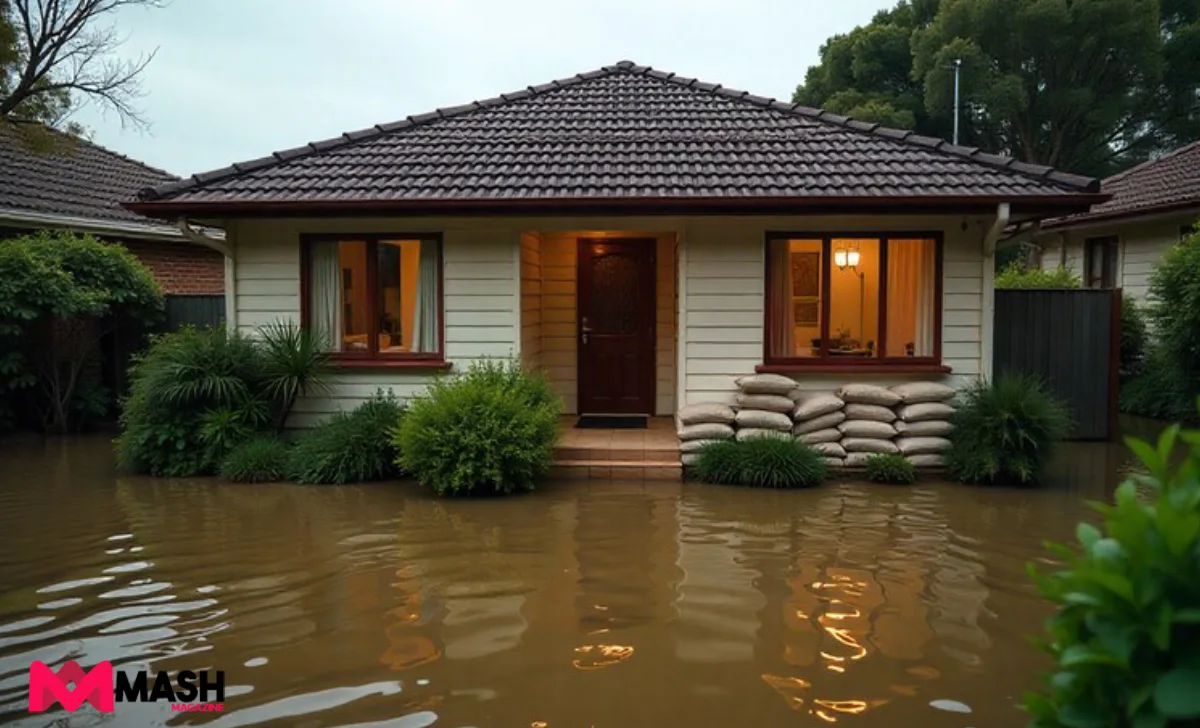
Mistake 6: Ignoring Flood Or Water Damage Cover
Flood cover is one of the most misunderstood parts of home insurance in Australia.
Many policies exclude flood damage entirely or offer it as an optional extra. Even when flood is covered, your insurer’s definition of “flood” might be different from what you expect.
Insurance policies often distinguish between flood and “escape of water.” If your roof leaks during a storm and damages your ceiling, that’s usually covered. But if a nearby river bursts its banks and water enters your home, that’s flood — and it might not be covered unless you specifically added flood protection.
This is critical if you live in a flood-prone area. Check whether your building and contents insurance both include flood cover. If you’re in a high-risk zone, you need both.
For more details on protecting your belongings in flood-prone areas, read my guide on how to choose home contents insurance if you live in a flood-prone area.
How to fix it: Check your policy schedule for flood cover. If it’s excluded or optional, contact your insurer to add it. Compare quotes from insurers who include flood as standard if your current provider charges too much.
Mistake 7: Not Disclosing All Relevant Information
When you apply for home insurance, your insurer asks questions about your property, security, previous claims, and other risk factors.
Failing to answer honestly — or forgetting to mention something important — can void your entire policy. Non-disclosure means your insurer can refuse to pay your claim, even if the claim has nothing to do with what you didn’t disclose.
Common disclosure issues include not mentioning previous claims, failing to tell your insurer about renovations or structural changes, or not updating them when you remove security features like alarms or deadlocks.
Your insurer needs accurate information to assess risk and price your policy correctly. If they find out later that you withheld details, they can cancel your cover or reject your claim.
How to fix it: Answer all application questions fully and honestly. When your circumstances change — you renovate, install a pool, or remove security features — notify your insurer immediately. Keep written records of what you’ve disclosed and when.
Mistake 8: Neglecting Home Maintenance
Poor maintenance doesn’t just damage your home — it can also invalidate your insurance claims.
Allianz Australia found that 40% of homeowners neglect regular maintenance. That includes things like cleaning gutters, fixing roof damage, maintaining plumbing, and addressing structural issues promptly.
If you make a claim and your insurer discovers the damage resulted from poor maintenance or wear and tear, they’ll likely refuse to pay. For example, if your roof leaks because you ignored broken tiles for months, that’s not covered. But if a storm rips off tiles that were in good condition, you’re protected.
Your policy excludes damage from gradual deterioration. You’re expected to keep your home in reasonable condition. Regular inspections and maintenance aren’t just good practice — they’re essential for keeping your insurance valid.
How to fix it: Schedule annual maintenance checks for your roof, gutters, plumbing, and structure. Document what you’ve done with photos and receipts. If you spot damage, repair it quickly rather than waiting until it gets worse.

Mistake 9: Failing To Keep Proof Of Ownership
When you make a contents claim, your insurer will ask for proof that you owned the items and evidence of their value.
Without receipts, photos, or other documentation, you’ll struggle to prove what you lost. Your claim might be reduced or rejected entirely if you can’t back up what you’re claiming for.
This is especially true for high-value items like electronics, jewellery, furniture, and appliances. Even if your policy covers them, you need evidence they existed and what you paid for them.
Youi recommends keeping digital records of major purchases. Take photos of receipts and store them in cloud storage. Photograph or video your home contents regularly so you have a visual record of what you own.
How to fix it: Create a folder in your email or cloud storage for insurance documents and receipts. When you buy something valuable, photograph the receipt and add it to the folder. Take photos or video of each room in your home every six months.
Mistake 10: Not Updating Or Reviewing Your Policy Regularly
Your home insurance should change as your life changes — but many Australians set up a policy and forget about it for years.
If you renovate, buy expensive furniture, or add valuable items to your home, your original sum insured might no longer be enough. Building costs increase over time, so even if nothing changes about your property, your rebuild cost probably goes up each year.
Failing to review your policy regularly means you might discover you’re underinsured only after it’s too late. Annual policy reviews take 15 minutes but can save you from huge financial losses.
Check your sum insured, your contents value, your excess, and your optional extras every year when renewal time comes around. Make sure your contact details are current and that any property changes have been disclosed.
How to fix it: Set a calendar reminder each year when your policy renews. Review your sum insured amounts, check whether your circumstances have changed, and update your policy if needed. If you’ve made major purchases or renovations, notify your insurer straight away.
Wrapping It Up
These 10 home insurance mistakes Australia homeowners make can turn a manageable claim into a financial disaster.
By understanding rebuild costs, reading your PDS, adding the right extras, and keeping your policy up to date, you’ll be far better protected when something goes wrong. Regular reviews and proper documentation make claims smoother and give you confidence your cover actually works when you need it.
Take 30 minutes this week to check your policy. Review your sum insured, make sure flood cover is included if you need it, and document your belongings properly.
If you’re unsure about anything in your policy, call your insurer and ask. Getting clarity now means fewer nasty surprises later.
For more guidance on protecting your home in high-risk areas, check out my detailed post on how to make a successful home insurance claim in Australia and learn more about choosing the right contents cover for flood-prone properties.
FAQs
What is the biggest home insurance mistake Australians make?
The most costly mistake is underestimating rebuild costs. Many homeowners haven’t updated their sum insured in years, even though construction costs have risen significantly.
Does home insurance automatically include flood cover?
No. Flood cover is often optional or excluded by default. Always check your PDS to confirm whether flood damage is covered under your building and contents policies.
How often should I review my home insurance policy?
You should review your policy every 12 months at renewal and any time you renovate, upgrade belongings, or make major purchases.
Do I need receipts to make a contents claim?
Receipts help, but they’re not the only proof. Photos, videos, valuations, or serial numbers also support your claim and show proof of ownership.
What’s the difference between market value and rebuild cost?
Market value includes land and location. Rebuild cost only reflects construction costs, which is the number your insurance uses when assessing damage from fires, storms, or disasters.