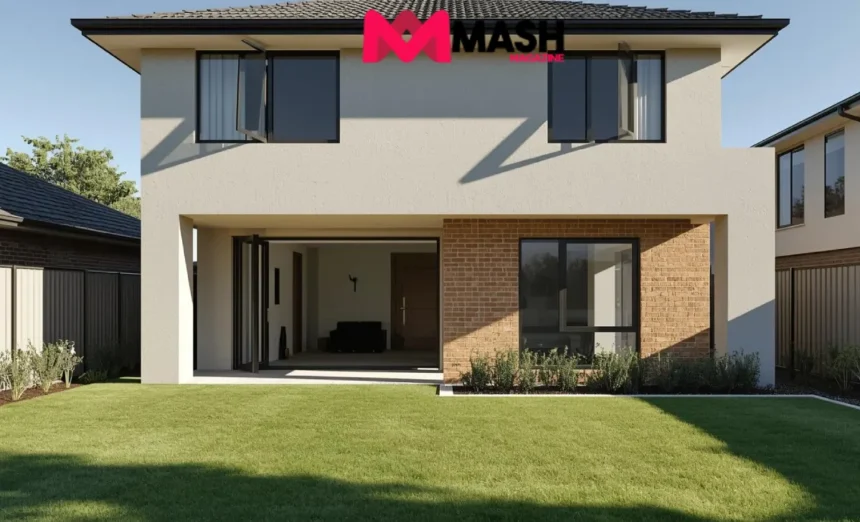
The unoccupancy clause restricts or voids your home insurance cover if your property remains vacant beyond a set period—typically 60 days in Australia. Investment property owners must notify their insurer when properties sit empty between tenants or during renovations to maintain full cover and avoid claim denial.
- What does “unoccupancy” mean in a home insurance policy?
- How the unoccupancy clause can void or reduce your cover
- Australian real-world examples and what to watch out for
- Example insurer wording and time-limits
- Situation in investment properties: between tenants, renovations, holiday homes
- Practical steps for investment property owners to stay covered
- What you should do before leaving the property vacant
- What policy wording to check and how to broker cover for long vacancies
- Home Insurance Unoccupancy Clause in Australia
- Conclusion
If your investment property sits empty for too long, the unoccupancy clause in your home insurance could mean you’re not covered when disaster strikes.
You might think your policy protects your property at all times. But most Australian insurers include specific terms about vacant properties. Break these terms and you could face a denied claim or reduced payout.
This post explains what unoccupancy really means. You’ll learn the typical time limits, why insurers care, and how to protect your investment property when it’s vacant.
What does “unoccupancy” mean in a home insurance policy?
Unoccupancy refers to a property being left vacant or unoccupied for a continuous period. Most Australian home insurance policies define this as no one living in or regularly visiting the property.
Your insurer sees an unoccupied property as higher risk. That’s why they set time limits. Go beyond that limit without notifying them and your cover may be restricted or voided entirely.
The typical threshold in Australia is 60 consecutive days. Some insurers allow 90 days. Others have stricter 30-day limits, especially for investment properties or landlord policies.
Common definitions and time-period examples
Different insurers use slightly different wording. But the core idea stays the same.
Suncorp typically allows 60 days of vacancy before requiring notification. AAMI uses similar language. Budget Direct may apply additional excesses if your property is vacant beyond 60 days.
Some policies define unoccupancy as “not lived in and not furnished.” Others focus on whether the property is regularly visited or maintained. Always check your Product Disclosure Statement (PDS) for your insurer’s exact definition.
Why insurers treat unoccupied properties as higher risk
Empty properties attract more problems. Burglars see an easy target when no one is home. Water leaks go unnoticed for weeks. Storm damage isn’t discovered until it’s severe.
Without regular checks, small issues become major claims. Pipes can burst in cold weather. Mould grows unchecked. Even electrical faults pose fire risks when no one is around to notice warning signs.
Insurers price their policies based on risk. An occupied property with someone monitoring it daily carries far less risk than one sitting empty for months. That’s why the unoccupancy clause exists.
How the unoccupancy clause can void or reduce your cover
Leave your property vacant beyond the stated threshold and you could lose your insurance cover entirely. Even if you’re still paying premiums.
Your insurer won’t necessarily cancel your policy. But they can refuse to pay claims that occur during the unoccupied period. Or they might only cover specific events while excluding others.
For example, your policy might still cover fire damage but exclude theft, water damage, or vandalism. Some insurers apply these restrictions automatically once the vacancy period is breached. Others require you to notify them first.
Read your PDS carefully. Look for sections titled “unoccupancy,” “vacancy,” or “when your home is not occupied.” These sections outline what happens if you exceed the time limit.
Typical consequences for investment properties
Investment property owners face specific challenges. Your rental might sit empty between tenants. Renovations could take months. You might be waiting for settlement after a sale.
Most landlord insurance policies have stricter vacancy rules than standard home insurance. The 60-day threshold often drops to 30 days. Some insurers won’t cover investment properties at all if they’re vacant beyond a certain period.
If a claim occurs during this uninsured period, you’re personally liable for all costs. A burst pipe could cost tens of thousands. Storm damage could run into six figures. Without cover, you pay everything out of pocket.
Additional excesses and notifications you must meet
Even if your insurer continues cover during vacancy, they often impose higher excesses. You might see an additional $500 to $1,000 added to your standard excess for any claim.
Many policies require written notification before the property becomes vacant. This isn’t optional. Fail to notify and your claim could be denied regardless of the circumstances.
Some insurers offer temporary vacancy extensions if you notify them in advance. Others require you to take specific actions—like maintaining utilities, arranging regular property checks, or installing security systems.

Australian real-world examples and what to watch out for
Several Australian property owners have learned about unoccupancy clauses the hard way. Their stories highlight common pitfalls.
One Sydney landlord left their investment unit vacant for 75 days between tenants. A burst pipe flooded the property. The insurer denied the claim because the policy specified a 60-day limit. The landlord faced $42,000 in repair costs.
Another Melbourne owner renovated their rental for 90 days. They didn’t notify their insurer. When thieves broke in and stole new appliances, the claim was rejected. The policy required notification after 60 days of vacancy.
These aren’t isolated cases. Australian Financial Complaints Authority (AFCA) receives regular complaints about vacancy-related claim denials. Most decisions favour the insurer when the policy wording is clear.
Example insurer wording and time-limits
Suncorp’s standard home insurance typically states that properties unoccupied for more than 60 consecutive days may have limited cover. They require advance notification if you know the property will be vacant.
NRMA Insurance uses similar 60-day thresholds but may offer extensions for legitimate reasons like extended hospital stays or overseas travel. They still require notification.
Budget Direct applies an increased excess—often $1,000 additional—for claims on properties vacant beyond 60 days. Some events may not be covered at all during extended vacancy.
Always request a copy of your insurer’s unoccupancy terms in writing. Don’t rely on verbal explanations from call centre staff.
Situation in investment properties: between tenants, renovations, holiday homes
Investment properties between tenants are the most common scenario. You might expect a quick turnaround but tenant searches can take months. The 60-day clock starts ticking the moment your last tenant moves out.
Renovations create another risk. Major renovations can stretch beyond 90 days. Your standard policy might not cover the property during this time, especially if it’s deemed uninhabitable.
Holiday homes present unique challenges. If you only visit occasionally and the property sits empty most of the year, you need specialist cover. Standard home insurance often excludes properties that aren’t your primary residence if they’re vacant long-term.
Practical steps for investment property owners to stay covered
You can protect yourself with a few simple actions. Most take less than an hour but could save you thousands in denied claims.
First, know your exact vacancy threshold. Check your PDS today. Mark the date your property becomes vacant on your calendar. Set a reminder two weeks before the threshold to notify your insurer.
Second, maintain proper records. Document when tenants move out. Keep copies of all communications with your insurer about vacancy. Take dated photos of the property’s condition.
Third, consider specialist landlord insurance designed for investment properties. These policies often have more flexible vacancy terms and better protection for rental-specific risks.
What you should do before leaving the property vacant
Notify your insurer in writing as soon as you know the property will be vacant. Email creates a paper trail. Don’t rely on phone calls alone.
Arrange regular property inspections. Weekly is ideal but at least fortnightly. Have someone check for leaks, damage, break-ins, or maintenance issues. Document each visit with photos and notes.
Maintain all utilities during vacancy. Turn off water at the mains if the property will be vacant long-term. But keep electricity connected for security lighting and to prevent insurance issues with some policies.
Consider a house-sitter or property manager for extended vacancies. Some insurers reduce their vacancy restrictions if someone is regularly on-site. Even if not living there full-time, documented visits help.
What policy wording to check and how to broker cover for long vacancies
Look for these specific terms in your PDS: “unoccupied,” “vacant,” “not lived in,” “regularly inhabited.” Note the exact number of days allowed.
Check whether your policy requires notification or whether it automatically restricts cover after the threshold. Big difference in your obligations.
If you know your property will be vacant beyond the standard threshold, contact your insurer before it happens. Many offer temporary extensions for a small additional premium. Some will adjust your policy to specialist vacancy cover.
Work with an insurance broker who understands investment properties. They can find policies with longer vacancy allowances or negotiate terms with insurers. Brokers often access products not available to retail customers.

Home Insurance Unoccupancy Clause in Australia
The unoccupancy clause isn’t designed to catch you out. It reflects the real risks insurers face with vacant properties. But ignorance won’t protect you when a claim occurs.
Check your policy’s exact vacancy threshold today. Set up systems to track when properties become vacant. Notify your insurer in writing before you reach the limit.
These simple steps keep you covered when disaster strikes. They take minimal effort but could save you from devastating out-of-pocket losses.
Don’t wait until you have a claim to discover you’re not covered. Review your PDS and contact your broker or insurer today to confirm your vacancy provisions. Your investment property deserves proper protection.
Conclusion
The unoccupancy clause in Australian home insurance exists to protect insurers from the higher risks of vacant properties. Ignoring it can leave investment properties exposed, with claims denied or payouts reduced. Typical thresholds range from 30 to 60 days, but exact definitions vary between insurers, so checking your Product Disclosure Statement is essential.
Investment property owners should proactively notify insurers, maintain regular inspections, and consider specialist landlord insurance or vacancy extensions. Simple steps—like tracking vacancy periods, documenting property condition, and keeping utilities connected—can prevent costly surprises.
Being informed and prepared ensures your property stays covered, whether between tenants, during renovations, or while you’re away. Don’t let a technicality leave you paying thousands out of pocket—review your policy, communicate with your insurer, and protect your investment.