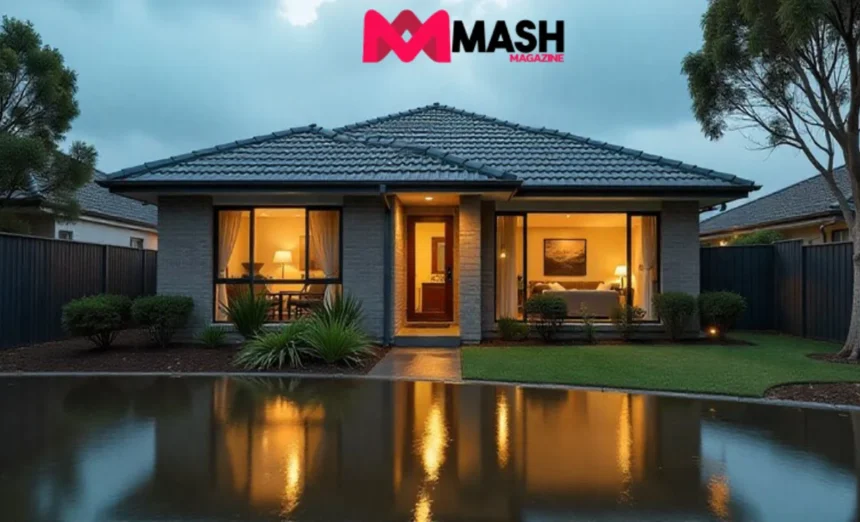
Natural disasters are driving sharp premium increases across Australia, with flood-prone properties seeing rises up to 50%. Insurers face higher claims costs from extreme weather—$2.19 billion in 2023-24 alone. High-risk homeowners need flood-specific coverage and resilience upgrades to manage costs.
- How Disasters Are Shaping Home Insurance Costs in Australia
- Recent data on disaster-related claims and insurer losses
- Why insurers raise premiums
- The impact on average home insurance premiums
- Regional risk factors and how they affect your premium
- Flood-prone zones and the flood cover gap
- Bushfire, cyclone, and other peril risks
- How location, build, and safety features affect ratings
- What to Check Before Choosing Home Insurance in High-Risk Areas
- Ensure your content covers align with rising home costs and disaster risk
- Understand flood cover versus standard home insurance and check policy wording
- Evaluate insurer response history and claims experience in your zone
- How to Cut Premiums and Reduce Risk
- Invest in home resilience and mitigation measures
- Review and compare insurance options regularly
- Factor premium rises into your budget and insurance affordability plan
- Trends Shaping Australia’s Home Insurance
- Insurer withdrawal from high-risk zones and tightening eligibility
- Government and regulator responses and expectations for homeowners
- What this means for premiums, access, and the future market
- Protect your home
Your home insurance bill arrived last month. The premium jumped another 15%. You’re not alone.
Across Australia, homeowners are watching their insurance costs climb as natural disasters become more frequent and severe. Floods, bushfires, and cyclones are reshaping the insurance landscape. The result? Higher premiums, limited coverage options, and growing stress for families in high-risk zones.
This guide explains how natural disasters drive premium changes in Australia. You’ll learn what factors affect your costs, how to choose better coverage, and practical steps to manage rising premiums. If you live in a flood- or fire-prone area, this information could save you thousands.
How Disasters Are Shaping Home Insurance Costs in Australia
Insurance companies are paying out more than ever before. The numbers tell a clear story about why your premiums keep rising.
Recent data on disaster-related claims and insurer losses
The Insurance Council of Australia reported approximately $2.19 billion in losses from declared extreme weather events during 2023-24. This figure represents only events that triggered official declarations. The actual cost runs much higher when you include undeclared events.
The 2022 floods alone cost insurers around $7 billion according to The Australia Institute. This single event marked the most expensive natural disaster in Australian insurance history. Queensland and New South Wales bore the heaviest losses, with tens of thousands of homes damaged or destroyed.
These massive payouts create a ripple effect through the entire insurance market. When insurers face billion-dollar losses, they adjust their pricing models to stay solvent. Your premium reflects their need to rebuild financial reserves.
Why insurers raise premiums
Insurers calculate premiums based on three main factors. First, they assess the likelihood you’ll make a claim. Areas with frequent floods or fires carry higher risk, so premiums increase accordingly.
Second, insurers buy their own insurance called reinsurance. Global reinsurance costs have jumped as climate-related disasters multiply worldwide. Australian insurers pass these increased costs directly to you through higher premiums.
Third, rebuilding costs have surged. Building materials, labour shortages, and supply chain disruptions mean your home costs more to repair or replace than it did five years ago. Insurers must charge premiums that cover today’s actual replacement costs, not yesterday’s prices.
The impact on average home insurance premiums
Average home insurance premiums rose approximately 14% across Australia in 2022-23. But this national average hides dramatic regional differences.
Homeowners in highest-risk flood zones saw increases up to 50% in some cases. Properties in bushfire-prone regions faced similar jumps. Some households now spend an entire month’s income just covering their annual insurance premium.
The Australia Institute found that insurance stress has intensified across the country. Many families face impossible choices: pay the premium and cut other essentials, accept higher deductibles to lower premiums, or drop coverage entirely.

Regional risk factors and how they affect your premium
Where you live matters more than ever when insurers calculate your premium. Your postcode can mean thousands of dollars in annual cost differences.
Flood-prone zones and the flood cover gap
Approximately 1.2 million Australian properties face significant flood risk. Yet many homeowners in these zones lack adequate flood coverage. Some policies exclude floods entirely, while others impose strict sub-limits that won’t cover actual damage costs.
The Actuaries Institute reports that properties in highest flood-risk areas experienced premium increases approaching 50% as insurers adjusted pricing to reflect true risk. Coastal properties in Queensland and low-lying homes along major river systems in New South Wales face the steepest increases.
The problem extends beyond premiums. Some insurers now refuse to cover certain flood-prone postcodes at any price. This leaves homeowners scrambling for alternatives through specialist insurers who charge premium rates or state-backed schemes with limited coverage.
Bushfire, cyclone, and other peril risks
Bushfire zones across Victoria, South Australia, and New South Wales face similar challenges. Properties rated as high bushfire risk see substantial premium increases each year. The 2019-20 bushfire season triggered a market reset that continues to affect pricing today.
Cyclone-prone areas in Queensland and northern Western Australia deal with additional complications. The cyclone season brings annual uncertainty about coverage availability and cost. Some insurers temporarily suspend new policies during peak cyclone months.
Climate change research published by NSW Climate Change suggests these risks will intensify. More frequent extreme weather events mean insurers expect higher future losses. They’re adjusting premiums now to prepare for tomorrow’s claims.
How location, build, and safety features affect ratings
Insurers assess dozens of factors when setting your premium. Your postcode provides the starting point, but they dig much deeper.
They examine your property’s elevation above nearby waterways. They check building materials—brick veneer resists fire better than weatherboard. They review your roof type, the distance to fire stations, and local emergency response capacity.
Modern risk assessment tools use satellite imagery and geographic information systems. Insurers can now evaluate your specific property’s exposure with remarkable precision. Two homes on the same street might receive different premium quotes based on slight elevation differences or vegetation proximity.
Properties with mitigation features often qualify for premium discounts. Flood-resistant building materials, elevated foundations, bushfire-safe landscaping, and fire sprinkler systems can all reduce your costs. You need to document these features and ensure your insurer recognises them in your rating.
What to Check Before Choosing Home Insurance in High-Risk Areas
Shopping for insurance in a high-risk area requires extra diligence. The cheapest policy rarely offers the best value when disaster strikes.
Ensure your content covers align with rising home costs and disaster risk
Your contents insurance needs regular review. Replacement costs for household items have increased substantially in recent years. That three-year-old sum insured amount probably won’t cover today’s actual replacement costs.
Calculate your contents value carefully. Walk through each room and list major items with current replacement costs. Include clothing, electronics, furniture, appliances, and personal items. Don’t forget garage tools, outdoor furniture, and items in storage.
Check whether your policy covers replacement cost or actual cash value. Replacement cost pays to buy new items, while actual cash value deducts depreciation. A five-year-old television has little actual cash value but costs significant money to replace.
Review exclusions closely. Standard contents policies may exclude or limit coverage for floods, storm surge, and specific perils. If you live in a flood-prone area, you absolutely need explicit flood coverage for contents, not just the building structure.
Understand flood cover versus standard home insurance and check policy wording
This distinction trips up thousands of Australian homeowners every year. Many standard home insurance policies exclude flood damage entirely or bury limitations in complex policy wording.
Flood definitions vary between insurers. Some policies define flood narrowly, excluding certain water damage that you’d consider flooding. Others use broader definitions that provide better protection. Reading the product disclosure statement matters more than relying on marketing materials.
Ask your insurer directly whether flood damage is covered. Get the answer in writing. Confirm whether the coverage applies to both building and contents. Check for sub-limits that cap flood payouts below your total sum insured.
If your current policy excludes floods and you live in a flood-risk area, you need to change insurers or add separate flood coverage. The Insurance Council of Australia notes that many homeowners discovered their flood exclusions only after filing claims during the 2022 floods.
Evaluate insurer response history and claims experience in your zone
Premium cost matters, but claims service matters more. An insurer that pays quickly and fairly aftera disaster provides better value than one offering slightly lower premiums but fights every claim.
Research how insurers performed during recent disasters in your region. Check online reviews from customers who filed claims after floods or bushfires. Look for patterns in complaints about claim denials, delays, or undervalued settlements.
Ask insurers whether they recognise resilience features in your premium calculation. Some insurers offer discounts for flood barriers, elevated buildings, or bushfire-resistant construction. Others don’t acknowledge these improvements in their pricing.
Contact your local council or state emergency service for information about insurer performance during past disasters. These organisations often track which insurers respond quickly versus those who create obstacles for affected homeowners.
How to Cut Premiums and Reduce Risk
You can’t control weather patterns, but you can control how you respond to rising insurance costs. These strategies help protect both your home and your budget.
Invest in home resilience and mitigation measures
Physical improvements to your property can reduce both risk and premiums. Start with the modifications that address your primary local threat.
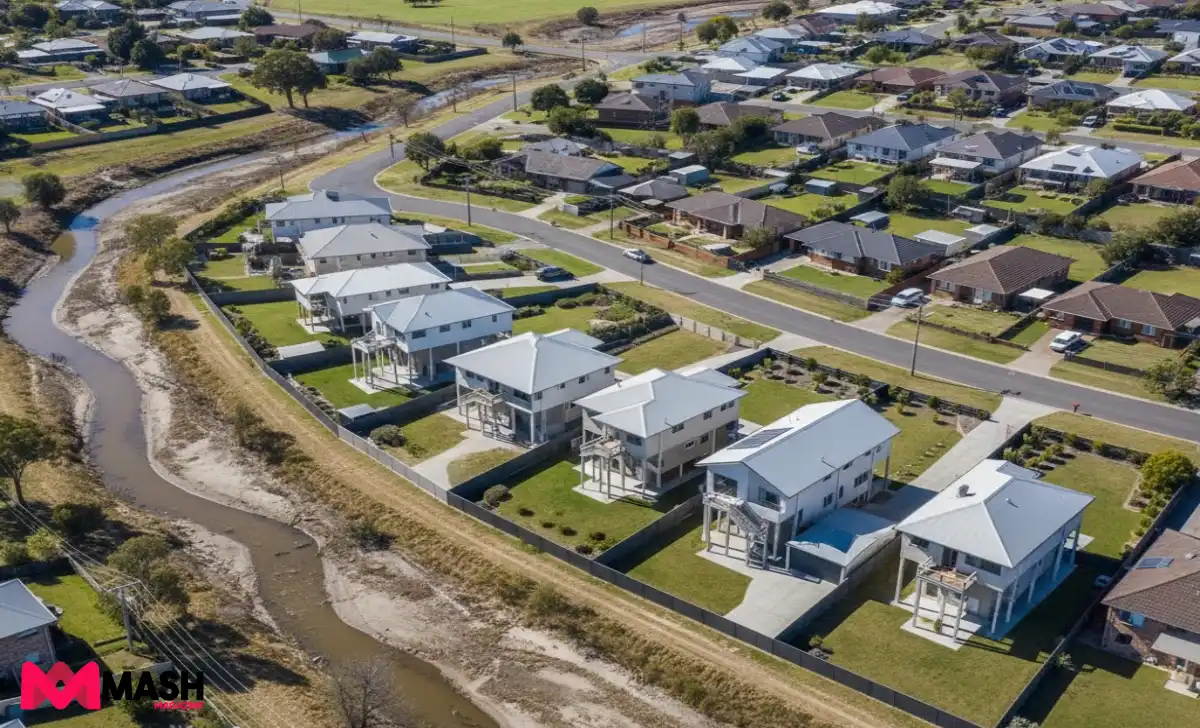
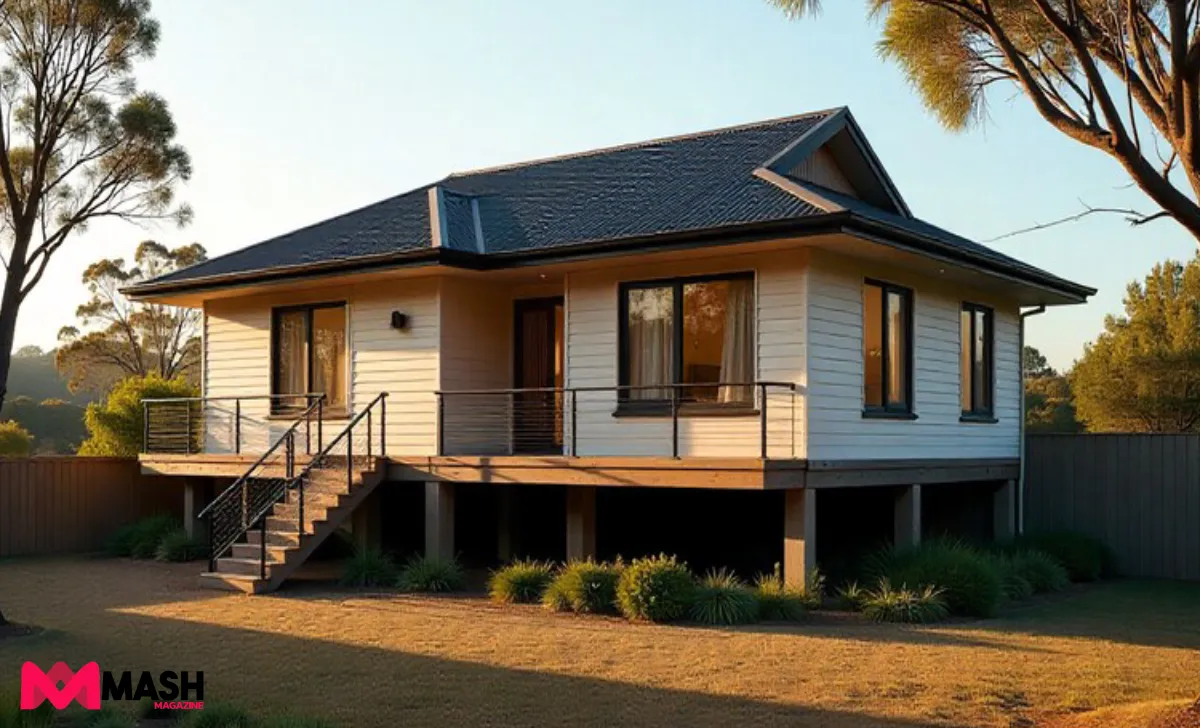
For flood-prone properties, elevation provides the best protection. Raising your home above historical flood levels costs significant money upfront but can dramatically reduce premiums and prevent future losses. Flood barriers, sump pumps, and waterproof seals on doors and windows offer more affordable alternatives.
Bushfire-resistant landscaping helps properties in fire zones. Clear vegetation within 10 metres of your home. Choose fire-resistant plants. Install metal screens over vents and eaves. Replace wooden decking with non-combustible materials.
Early warning systems add another layer of protection. Flood sensors, smoke detectors connected to monitoring services, and weather alert systems help you respond quickly when danger approaches. Some insurers recognise these systems with premium discounts.
Document all improvements with photos and receipts. Provide this documentation to your insurer and request a premium review. Many homeowners complete mitigation work but never inform their insurer, missing out on available discounts.
Review and compare insurance options regularly
Loyalty doesn’t pay in the current insurance market. Insurers often increase premiums more aggressively for existing customers than for new ones.
Compare quotes from at least three insurers annually. Use comparison websites as a starting point, but also contact insurers directly. Some offer better rates through direct sales than through comparison platforms.
Ask about bundling discounts. Combining your home building insurance with contents insurance often reduces total costs. Some insurers also discount customers who hold multiple policies like car and home insurance.
Check whether you qualify for group insurance schemes through professional associations, unions, or community organisations. These schemes sometimes negotiate better rates than individual policies.
Consider increasing your deductible if you have emergency savings. A higher deductible reduces your premium substantially. Just ensure you can afford to pay that deductible if you need to make a claim.
Factor premium rises into your budget and insurance affordability plan
Insurance costs will likely continue rising in high-risk areas. Planning for these increases prevents financial stress down the road.
Budget for annual premium increases of 10 to 15 percent if you live in a high-risk zone. This estimate helps you prepare rather than facing shock when renewal notices arrive. Adjust your household budget accordingly, identifying areas where you can reduce spending to offset insurance costs.
Build an emergency fund that covers your deductible plus several months of premiums. This fund ensures you can maintain coverage even if premiums jump unexpectedly or you face temporary income disruption.
Understand the dangers of underinsurance or dropping coverage entirely. Research from the University of Queensland shows many households are reducing coverage or going uninsured to manage costs. This gamble can destroy your financial security if disaster strikes.
If premiums become genuinely unaffordable, explore state government assistance programs before cancelling coverage. Some states offer schemes for high-risk properties that private insurers won’t cover at reasonable rates.
Insurer withdrawal from high-risk zones and tightening eligibility
Some insurers are pulling back from extreme-risk areas entirely. Properties that could easily obtain coverage five years ago now struggle to find any willing insurer.
The ABC reported that Australia’s extreme weather losses rank among the highest globally. This reality is forcing insurers to make hard decisions about which risks they’ll accept. Northern Queensland cyclone zones and certain NSW flood plains have seen multiple insurers exit the market.
When insurers withdraw, remaining providers gain pricing power. Competition decreases, and premiums rise faster than in areas with healthy insurer participation. Some homeowners face quotes double or triple what they paid previously.
Insurers are also tightening eligibility criteria. Properties that previously qualified for standard coverage now require specialist high-risk policies with premium pricing. Building age, construction type, and proximity to hazards receive much stricter scrutiny than before.
Government and regulator responses and expectations for homeowners
Federal and state governments recognise the emerging insurance crisis. Several initiatives aim to improve the situation, though results remain uncertain.
New disclosure requirements help homeowners understand their risks better. Some states have implemented or proposed traffic-light systems that clearly identify property risk levels. These systems help buyers and sellers make informed decisions about high-risk properties.
Building codes are strengthening in response to climate risks. New construction in flood and bushfire zones must meet higher standards. While these codes improve resilience, they also increase building costs, which flows through to insurance premiums.
Land-use planning reforms aim to prevent development in extreme-risk areas. Some councils now restrict building approvals in known flood plains or high bushfire zones. These restrictions protect future homeowners but can decrease property values in affected areas.
Government-backed insurance schemes continue expanding. The Cyclone Reinsurance Pool, launched in 2022, aims to reduce cyclone insurance costs in northern Australia. Similar schemes for flood risk remain under discussion but haven’t yet been implemented nationally.
What this means for premiums, access, and the future market
Premium increases will likely continue across high-risk areas for the foreseeable future. Climate projections suggest more frequent and severe weather events, which means higher insurer losses and further premium adjustments.
Access to affordable insurance may become the bigger challenge. Some properties could become effectively uninsurable in the private market, forcing reliance on government backstop schemes with limited coverage.
Property values in high-risk zones face downward pressure. Buyers increasingly factor insurance costs into purchase decisions. A home requiring $8,000 annual insurance versus $2,000 loses attractiveness regardless of other features.
The market is creating a two-tier system. Low-risk properties maintain access to competitive insurance at reasonable prices. High-risk properties face limited options, premium pricing, and potential uninsurability. Your property’s risk classification increasingly determines your financial security and housing options.
Protect your home
Natural disasters are fundamentally changing home insurance in Australia. Premiums continue rising, especially for homeowners in flood-prone and bushfire-risk zones. The $2.19 billion in disaster losses during 2023-24 shows this trend isn’t temporary.
Your response matters. Review your current coverage carefully, ensuring it includes flood protection if you live in a high-risk area. Compare insurers annually rather than accepting automatic renewals. Invest in property resilience features that reduce both your risk and your premiums.
The insurance market will keep evolving as climate impacts intensify. Properties in extreme-risk zones may face limited coverage options or very high deductibles. Plan your budget for ongoing premium increases and build emergency funds to maintain coverage.
Take action today. Pull out your current policy and check the flood coverage section. Calculate whether your contents sum insured reflects current replacement costs. Get quotes from three insurers to confirm you’re paying a competitive rate.
If you live in a flood- or fire-prone area, contact your insurer this week to discuss your coverage and available risk-reduction discounts. Your financial security depends on the decisions you make now, before the next disaster arrives.