
Strata insurance (arranged by the owners’ corporation) covers the building structure and common property like lifts, pools, and shared spaces. Individual unit owners need separate contents insurance to cover personal belongings, fixtures they’ve added, and renovations inside their lot.
- What Is Strata Insurance and How Does It Differ from Homeowners Insurance?
- Definition of Strata Insurance
- Definition of Homeowners or Contents Insurance for Unit Owners
- Key Cover Differences at a Glance
- Who Pays What?
- What Does Strata Insurance Typically Cover (and What It Doesn’t)?
- Homeowners or Contents Insurance as a Unit Owner: What to Check (Especially in Flood-Prone Areas)
- Why You Need Separate Contents Insurance
- What to Check If You Live in a Flood-Prone Area
- Tips for Choosing the Right Policy
- Cost Implications and How to Manage Risk as a Unit Owner
- Step-by-Step Checklist for Apartment Owners
- Conclusion
If you own a unit under a strata title, you’ve probably wondered where the owners’ corporation’s insurance ends and yours begins. Many apartment owners assume the building insurance covers everything—until water damage ruins their furniture or a renovation they paid for isn’t covered after a storm.
Understanding what strata insurance covers and what you’re responsible for can save you thousands. This guide explains how strata insurance works in Australia, who pays for what, and how to fill the gaps with the right homeowners or contents policy.
You’ll also learn what to check if you live in a flood-prone area, where policy exclusions can leave you exposed.
What Is Strata Insurance and How Does It Differ from Homeowners Insurance?
Definition of Strata Insurance
Strata insurance is a policy arranged by the owners corporation (also called body corporate in some states). It covers the building structure and all common property—roofs, external walls, lifts, hallways, pools, gyms, and car parks.
In Australia, this insurance is mandatory. The owners corporation must maintain it and pay premiums through strata levies collected from all lot owners. You don’t arrange this policy yourself, but you help pay for it.
Definition of Homeowners or Contents Insurance for Unit Owners
Homeowners insurance for unit owners is separate. You buy this policy yourself to cover what’s inside your lot—furniture, appliances, clothing, electronics, and any fixtures or renovations you’ve added.
This differs from insurance for a standalone house. You’re not insuring the building structure (the owners corporation does that). You’re protecting your personal property and improvements within the four walls of your unit.
Key Cover Differences at a Glance
Strata insurance handles the building shell and shared spaces. Your contents policy handles what you own inside your unit.
Strata insurance includes public liability if someone is injured in a common area. Your policy covers liability inside your lot—like a guest slipping in your kitchen.
Strata insurance won’t cover your renovated bathroom or the expensive blinds you installed. That’s your responsibility.
Who Pays What?
The owners corporation arranges and pays for strata insurance using money collected from all unit owners through quarterly or annual levies. The premium is divided among lot owners based on unit entitlement—usually tied to the size or value of your unit.
You pay your share automatically through strata fees. You don’t choose the insurer or negotiate the policy.
Individual lot owners are responsible for insuring everything inside their unit. This includes contents, non-fixed improvements like floating floorboards, built-in wardrobes you added, and any fixtures not part of the original building.
You’re also responsible for any excess or shortfall if the building is underinsured and a major event occurs. If the owners corporation’s policy doesn’t cover the full rebuild cost, owners may need to contribute extra funds.
Here’s an example: A storm floods the ground-floor car park (common property) and water seeps into your unit, ruining your couch and damaging your custom kitchen cabinets. The owners corporation’s insurance covers car park repairs. Your contents insurance covers your furniture and cabinets—if you have it.
Another scenario: A window in the common hallway breaks during a hailstorm. The owners corporation pays to replace it using strata insurance. You pay nothing directly, but the cost is shared through your levies.
What Does Strata Insurance Typically Cover (and What It Doesn’t)?
Coverage
Strata insurance covers the building structure—external walls, roofs, foundations, balconies, and structural fixtures like built-in cupboards that came with the unit when it was built.
It covers common property: car parks, lifts, pools, gyms, entrance lobbies, gardens, driveways, and fences.
It includes public liability if someone is injured in a shared space—like slipping near the pool or tripping in the hallway.
Some policies cover machinery breakdown (lifts, air conditioning systems) and glass in common areas.
Exclusions and Gaps
Strata insurance doesn’t cover personal contents in your lot—furniture, electronics, clothing, or appliances.
It doesn’t cover renovations or fixtures you’ve added after buying the unit. If you installed a new kitchen, upgraded the bathroom, or added custom lighting, those improvements aren’t covered by the body corporate policy.
It won’t cover wear and tear, gradual damage, or maintenance issues like mould from poor ventilation.
Coverage varies by state. In New South Wales, fixtures are sometimes covered if they’re permanently attached. In Queensland, by-laws define what the body corporate covers versus what you cover. Always check your scheme’s rules.
Real-Life Insight for Unit Owners
You might think the building insurance has you covered. It doesn’t. If fire damages your unit, the owners corporation rebuilds the walls and ceiling. Your TV, bed, and renovated ensuite? That’s on you.
Many owners discover this gap too late. After a flood or fire, they realise they’ve lost thousands in contents and improvements because they assumed the body corporate policy protected everything.
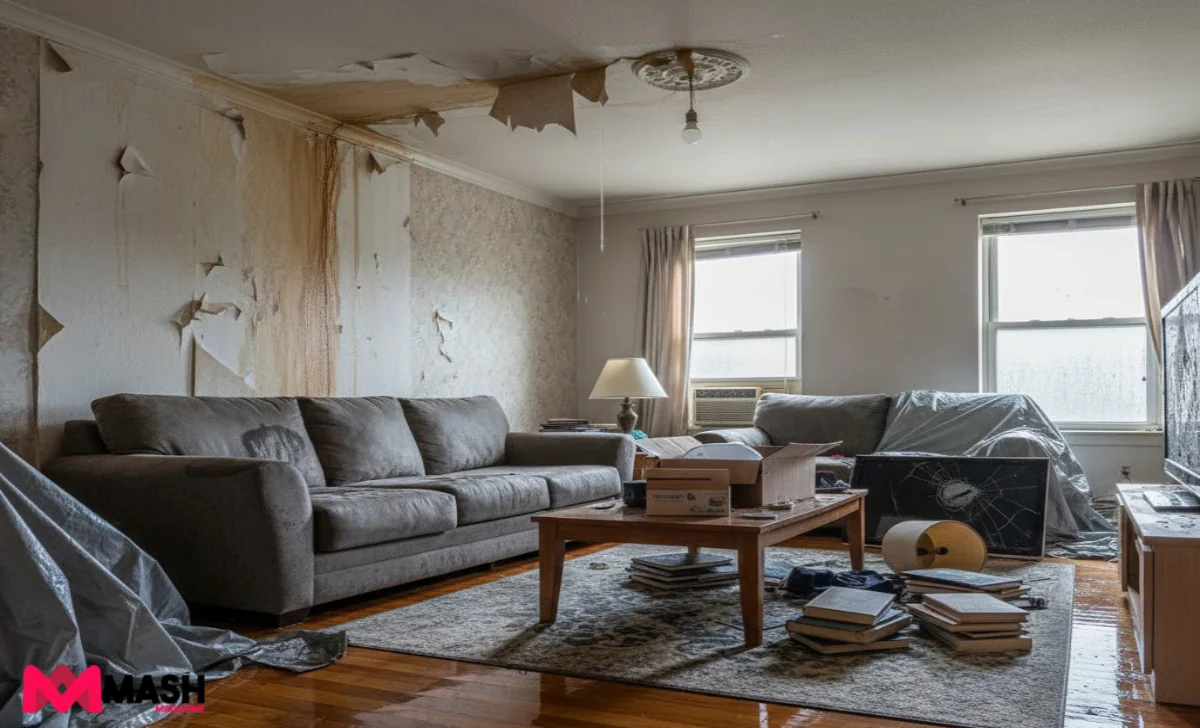
Homeowners or Contents Insurance as a Unit Owner: What to Check (Especially in Flood-Prone Areas)
Why You Need Separate Contents Insurance
Even though the building is insured, you need your own policy. The owners corporation covers the shell. You cover what’s inside.
Without contents insurance, you replace everything yourself after a fire, flood, or theft. That includes furniture, appliances, clothing, electronics, and any improvements you’ve made.
What to Check If You Live in a Flood-Prone Area
If your unit is in a flood-prone area—especially ground floor or basement level—check whether your policy includes flood cover. Many standard policies exclude flood damage or charge extra for it.
Check for storm-surge exclusions. Coastal units may face water damage from storm surges, which some insurers treat differently from flooding.
Confirm your sum insured is high enough to replace all your contents and any fixtures you’ve added. Underinsuring saves money upfront but leaves you short when you claim.
Ask whether fixtures not covered by the body corporate—like your renovated bathroom—are included. Some policies cover them automatically; others require you to list them.
Tips for Choosing the Right Policy
Review policy exclusions carefully. Look for words like “flood,” “storm surge,” “gradual water damage,” and “wear and tear.”
Check your strata scheme’s by-laws to understand what the owners corporation covers. Some schemes cover more than others.
Ask your strata manager for a certificate of currency showing the body corporate insurance is current and adequate.
Consider a higher excess if it lowers your premium—but only if you can afford to pay it when you claim.
Here’s an example: You own a ground-floor unit in a building near a river. During heavy rain, water enters through the car park and floods your unit. Your contents insurance covers your damaged furniture and appliances—if you selected flood cover. Your custom kitchen renovation is covered—if you added it to your policy. If you didn’t check these details, you pay out of pocket.
Cost Implications and How to Manage Risk as a Unit Owner
How Strata Insurance Costs Are Shared
The owners corporation arranges one policy for the entire building. The premium is divided among all lot owners through strata levies.
Your share depends on your unit entitlement—usually based on the size or value of your unit. Larger units pay more.
Higher-value buildings and properties in high-risk zones (flood, bushfire, cyclone) have higher premiums. If claims increase, premiums rise, and so do your levies.
Risk of Being Underinsured
If the building is underinsured and a major event occurs—like a fire that destroys the building—the insurance payout won’t cover the full rebuild cost.
Owners may need to contribute extra funds to cover the shortfall. This is called a special levy. Depending on the gap, it could cost tens of thousands per owner.
Unpaid levies create another risk. If owners don’t pay their share, the building may lack adequate cover or funds for repairs.
Tips to Manage Risk
Ensure the owners corporation conducts regular building valuations. Construction costs rise, and outdated valuations lead to underinsurance.
Ask whether the policy includes catastrophe cover for events like floods, storms, or earthquakes. Not all policies include this automatically.
Maintain your unit properly. Water leaks, mould, and poor ventilation can lead to damage that insurance won’t cover.
Document your fixtures and contents with photos and receipts. This speeds up claims and proves the value of what you’ve lost.
Choose an insurer with strong flood and storm cover for your contents policy. Compare policies to find one that suits your location and risk profile.
Step-by-Step Checklist for Apartment Owners
- Start by obtaining a certificate of currency from your strata manager: This document confirms the building insurance is current and shows what’s covered.
- Review your own contents insurance policy: Check the sum insured, exclusions, and whether flood or storm damage is covered.
- Compare cover and exclusions between the strata policy and your own: Identify gaps—like renovations or fixtures that aren’t covered by either policy.
- Document your fixtures and contents: Take photos and keep receipts for furniture, appliances, electronics, and any improvements you’ve made.
- Check flood and storm surcharges or exclusions: If you live in a flood-prone area, confirm your policy includes water damage from flooding and storm surges.
- Set your own insurance excess and sum insured appropriately: Balance premium cost with what you can afford to pay if you claim.
- Engage with your strata committee or manager about risk mitigation: If your building is in a flood zone, ask what the committee is doing to reduce risk like improving drainage or installing flood barriers.
- Review your cover periodically: Do this after renovations, when severe weather events occur in your area, or when strata levies increase unexpectedly.
Acting now protects you from discovering gaps too late. Many owners only realise they’re underinsured after a disaster.

Conclusion
Understanding strata insurance in Australia—what it covers and what it doesn’t—is essential for every unit and apartment owner. The owners corporation insures the building and common property, but you’re responsible for everything inside your lot.
Check your building’s strata policy and compare it with your own contents insurance now. Don’t assume you’re covered. Identify gaps, especially if you’ve renovated or live in a flood-prone area.
Contact your strata manager today to request a certificate of currency. Review your contents policy and confirm your sum insured is accurate. Taking these steps now protects you from thousands in unexpected costs later.